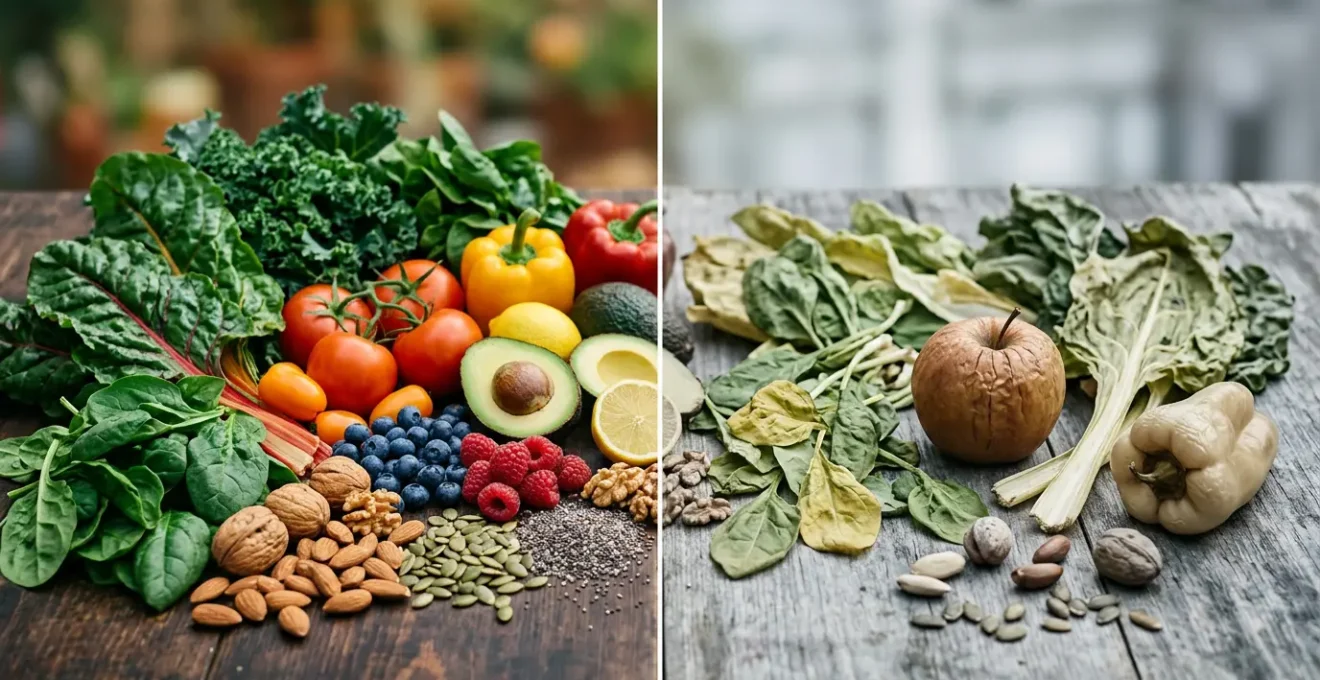
Thriving on a long-term plant-based diet isn’t about what you remove, but what you strategically add and combine.
- The difference between thriving and depletion often comes down to bioavailability—what your body actually absorbs, not just what you eat.
- Ultra-processed vegan foods can be less healthy than the whole foods they replace, hindering your practice and vitality.
Recommendation: Shift your focus from simple food lists to mastering nutrient synergy and mindful preparation to unlock your diet’s full potential.
The scene is common in yoga communities across the UK: a vibrant, energetic practitioner glowing with health, attributing their vitality to a long-term vegan diet. Yet, in the same class, another person, equally dedicated to their plant-based journey, feels fatigued, depleted, and is quietly struggling with new health issues. They both eat « vegan, » so what’s the difference? The conversation often stalls at simplistic advice: « You just need more protein, » or « Are you taking a B12 supplement? » While not wrong, this advice barely scratches the surface of a much deeper nutritional reality.
This common paradox—two people on the same diet with vastly different outcomes—exposes the limitations of treating plant-based eating as a simple list of « do’s » and « don’ts. » The truth is, many well-intentioned vegans, especially those with an active yoga practice, inadvertently swap one set of dietary problems for another, often falling into the trap of nutrient-poor, ultra-processed substitutes or failing to account for the subtleties of plant-based nutrient absorption.
But what if the key wasn’t just about the foods you eat, but *how* you eat them? What if the difference between thriving and merely surviving lies in understanding the hidden principles of nutrient synergy, bioavailability, and aligning your food choices with your body’s innate intelligence? This article moves beyond the generic advice. We will explore the critical nutrients you need to watch, the pitfalls of modern veganism, and the ancient and modern strategies that empower you to build a resilient, nourishing, and truly sustainable plant-based lifestyle that supports your yoga practice for years to come.
This guide offers a structured path to understanding these complexities. From the essential nutrients that demand your attention to the power of food combinations, we will explore the key strategies for long-term plant-based success for the active yogi.
Summary: Why Some Vegans Thrive While Others Feel Depleted
- Which Nutrients Need Extra Attention on a Plant-Based Diet and How Do You Get Enough?
- How to Afford Organic Produce in the UK Without Spending Double on Groceries?
- Fully Vegan or Flexitarian: Which Eating Style Better Supports an Active Yoga Practice?
- Why Ultra-Processed Vegan Foods Might Be Worse Than the Meat They Replace?
- When Should You Eat Plant Protein Relative to Your Yoga Practice for Best Recovery?
- Which Food Combinations Help You Absorb More Nutrients From the Same Ingredients?
- How to Follow Ayurvedic Seasonal Eating in a British Climate With British Foods?
- Why Can Two People Eat Identical Calories Yet One Thrives While the Other Feels Depleted?
Which Nutrients Need Extra Attention on a Plant-Based Diet and How Do You Get Enough?
The first hurdle in a long-term plant-based diet isn’t a lack of willpower, but often a lack of specific micronutrients. While a diet rich in plants is abundant in many vitamins and antioxidants, several key nutrients are either absent or less bioavailable than in animal products. Ignoring them is the fastest path to depletion.
The most well-known is Vitamin B12, which is not produced by plants. It’s crucial for nerve function and red blood cell formation. While the body has stores, they aren’t infinite; the body’s stores of vitamin B12 usually take about 3 to 5 years to deplete in adults who stop consuming it. This timeline is why some new vegans feel fantastic for the first couple of years before a gradual decline in energy sets in. A reliable, year-round supplement is non-negotiable.
Beyond B12, other nutrients require a strategic approach. It’s not about inducing fear, but fostering awareness. A well-planned diet can provide these, but it doesn’t happen by accident. You must actively include specific foods.
- Choline: Essential for brain function and memory, which are key for a focused meditation and yoga practice. Find it in shiitake mushrooms, soybeans (tofu, tempeh), and cruciferous vegetables.
- Iodine: Critical for thyroid health and metabolic rate. Seaweed (nori, wakame) and iodized salt are the most reliable vegan sources.
- Selenium: A powerful antioxidant important for immune function. Just one Brazil nut can provide your entire daily requirement.
- Vitamin K2: Supports bone health and cardiovascular function. It’s found in fermented foods like natto and, to a lesser extent, sauerkraut.
- Vitamin A (Retinol): Plants provide beta-carotene, a precursor to Vitamin A, but the body’s ability to convert it varies significantly between individuals. Consuming plenty of orange and yellow vegetables (carrots, sweet potatoes) and leafy greens is wise.
How to Afford Organic Produce in the UK Without Spending Double on Groceries?
Once you know what to eat, the next challenge, especially in the UK, is sourcing high-quality produce without an astronomical grocery bill. The « organic » label can feel like an expensive luxury, but a strategic approach makes it accessible. It’s not about buying everything organic, but about being smart with your spending.
The key is to prioritise. Focus your organic budget on produce most likely to carry high pesticide residues. This is where the « Dirty Dozen » and « Clean Fifteen » concept, adapted for the UK, becomes an invaluable tool. By choosing organic for the most contaminated items and saving money on those with lower pesticide loads, you get the biggest health benefit for your budget.
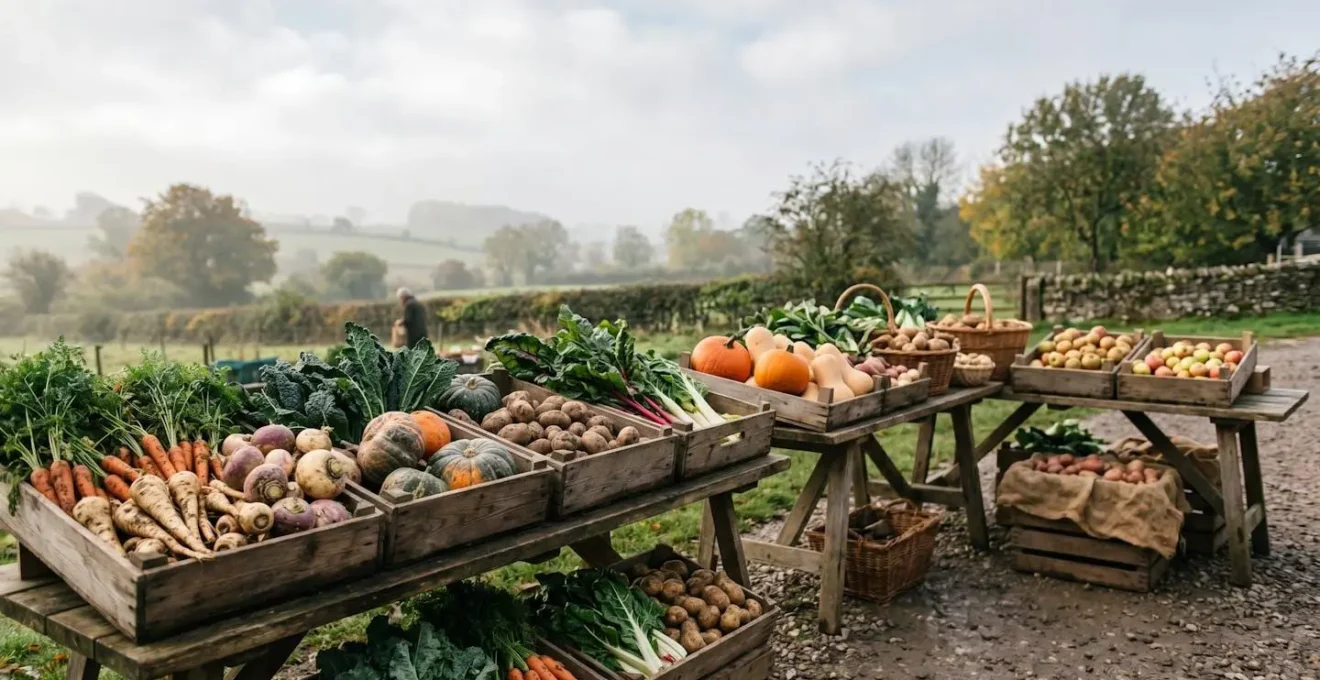
Here’s how to apply this strategy in the UK, based on data and local food realities:
- Priority Organic Purchases (UK Dirty Dozen): According to Pesticide Action Network UK’s analysis, items like grapes, oranges, pears, strawberries, and pre-packed salads consistently show higher pesticide residues. These are where your organic pounds are best spent.
- Save Money Here (Clean Fifteen Principles): Produce with thick, inedible skins like onions, avocados, and sweetcorn, or robust vegetables like cauliflower and beetroot, generally have fewer residues on the edible parts. Buying conventional here is a smart way to save.
- Seasonal Bulk Buying: Embrace the British seasons. Buying apples in autumn or berries in summer when they are abundant and cheap, then preserving them by freezing or canning, is both economical and environmentally friendly.
- Community Solutions: Look beyond the supermarket. Joining a local CSA (Community Supported Agriculture) scheme provides you with a weekly box of seasonal, often organic, veg directly from a farm. Foraging for UK edibles like wild garlic in spring is another free, nutritious option.
Fully Vegan or Flexitarian: Which Eating Style Better Supports an Active Yoga Practice?
The debate between 100% veganism and a more flexible, plant-centric approach is often charged with ethical and personal beliefs. From a purely physiological and performance standpoint for an active yogi, the science suggests a more nuanced conclusion: consistency and quality trump dogma.
There is no compelling evidence that a well-planned vegan diet is either superior or inferior for athletic performance compared to a well-planned diet that includes some animal products. According to a systematic review and meta-analysis, plant-based diets can benefit aerobic performance without compromising strength or power. The key is in the planning.
A « flexitarian » approach, where the diet is predominantly plant-based but occasionally includes high-quality animal products like eggs or fish, can act as a nutritional safety net. For some, it simplifies obtaining sufficient iron, vitamin B12, and omega-3s. For others, a 100% whole-food vegan diet is perfectly adequate and aligns more closely with their values. The best approach is the one that you can sustain long-term, joyfully, and without developing deficiencies. A rigid, stressful vegan diet is likely less healthy than a relaxed, mindful flexitarian one. Conversely, a thoughtful and well-planned vegan diet is superior to a careless omnivorous one.
As a recent review in *Advances in Nutrition* highlights, the focus should be on the overall dietary pattern. Experts S. West, A.J. Monteyne, and their colleagues concluded:
Current evidence does not support that a vegan-type diet will enhance performance, adaptation, or recovery in athletes, but equally suggests that an athlete can follow a (more) vegan diet without detriment.
– West S., Monteyne A.J., et al., Advances in Nutrition, 2023
The goal is to support your yoga practice with a nutrient-dense, anti-inflammatory diet. Whether that is 95% or 100% plant-based is a personal choice, not a prerequisite for health or performance.
Why Ultra-Processed Vegan Foods Might Be Worse Than the Meat They Replace?
The explosion of vegan products in UK supermarkets has made plant-based eating more accessible than ever. However, it has also introduced a significant pitfall: the « vegan junk food » trap. Many people assume that if a product is labelled « vegan, » it must be healthy. This is a dangerous misconception.
An ultra-processed vegan burger, engineered in a lab with protein isolates, binders, gums, and artificial flavours, is not health food. While it may be better from an animal welfare perspective, from a nutritional standpoint, it can be just as, if not more, inflammatory and damaging than a piece of unprocessed meat. These products are often high in sodium, unhealthy fats, and a long list of chemical additives while being stripped of the fibre, phytonutrients, and synergistic compounds found in whole plant foods.

True health on a plant-based diet comes from eating foods that are as close to their natural state as possible: lentils, beans, vegetables, fruits, whole grains, nuts, and seeds. A diet built on these foundations is naturally anti-inflammatory, rich in fibre to support a healthy gut microbiome, and packed with the nutrient density your active body craves. A diet built on vegan sausages, cheese alternatives, and pre-packaged meals is simply a different form of the standard Western diet, with similar potential for negative health outcomes.
The stark difference lies in how the body recognises and processes these foods. A lentil is a complex package of protein, fibre, and micronutrients that your digestive system understands. A processed food ingredient list that reads like a chemistry experiment presents a confusing, inflammatory challenge to your body. For a yogi seeking to cultivate sattva (purity and harmony), choosing whole, life-giving foods over their processed imitations is a fundamental practice of self-care.
When Should You Eat Plant Protein Relative to Your Yoga Practice for Best Recovery?
For the active yogi, protein is crucial for muscle repair, strength building, and sustained energy. But with plant protein, timing can be just as important as quantity, especially when coordinating meals around your time on the mat. The goal is to fuel your practice and optimise recovery without feeling heavy or lethargic.
The « anabolic window »—the idea that you must consume protein within 30-60 minutes post-exercise—has been shown to be wider than previously thought, extending to several hours. However, for a physically demanding practice, providing your body with the building blocks for repair in a timely manner is still a smart strategy. The ideal timing depends heavily on the style and intensity of your yoga practice.
A tailored approach ensures you have energy when you need it and supports recovery when it matters most:
- Gentle Hatha/Yin Yoga: These practices are less demanding on muscles. A light pre-practice snack like a handful of almonds or a couple of dates 30-60 minutes before is usually sufficient. A heavy post-practice protein meal isn’t necessary; simply incorporate protein into your next scheduled meal.
- Dynamic Vinyasa/Ashtanga (90+ minutes): For these powerful practices, you need sustained energy. Consume complex carbs like oatmeal or whole-grain toast 2-3 hours before. Post-practice, aim to have a meal with a complete protein source within 60-90 minutes. A smoothie with pea/rice protein powder or a warming lentil soup are excellent choices.
- Hot Yoga: The primary concern here is hydration. Hydrate well before and after. Post-practice, focus on easily digestible protein that won’t tax a system that’s already worked hard. Think silken tofu pudding, blended bean soup, or a protein smoothie.
- Ayurvedic Timing Principle: From an Ayurvedic perspective, your ‘Agni’ (digestive fire) is strongest at midday. If possible, make your main protein-rich meal your lunch. This allows for optimal digestion and assimilation, regardless of when you practice. Lighter meals are preferred for morning and evening practices.
Which Food Combinations Help You Absorb More Nutrients From the Same Ingredients?
This is perhaps the most overlooked secret to thriving on a plant-based diet. It’s the principle of nutrient synergy: the idea that 1 + 1 can equal 3. Certain food combinations can dramatically increase your body’s ability to absorb and utilise the nutrients within them. Mastering this is like unlocking a nutritional superpower—you get more benefit from the exact same ingredients.
Plants contain wonderful compounds, but also « anti-nutrients » like phytates and oxalates that can bind to minerals and hinder their absorption. Smart preparation and pairing are the keys to overcoming this. This is where traditional food wisdom, now backed by science, shines.

Instead of thinking of foods in isolation, start thinking in synergistic pairs and trios:
- The Power of Three: Add turmeric to your cooking, but always include a pinch of black pepper. The piperine in pepper has been shown to increase the absorption of curcumin (the active compound in turmeric) by up to 2000%. Since curcumin is fat-soluble, adding a healthy fat like avocado or coconut oil completes the trio.
- Iron Enhancer: Plant-based (non-heme) iron from sources like lentils, spinach, and tofu is not as readily absorbed as animal-based iron. The solution? Pair it with a source of Vitamin C. Squeezing lemon juice over your dal, adding bell peppers to a tofu stir-fry, or eating berries with your oatmeal dramatically boosts iron uptake. As a side note, avoid drinking tea or coffee with iron-rich meals as tannins can inhibit absorption.
- Preparation Techniques: Soaking nuts and grains overnight reduces phytates, making minerals like zinc and magnesium more available. Sprouting legumes increases their protein availability and B vitamin content. Lightly cooking leafy greens like spinach reduces oxalates, freeing up calcium for absorption.
- Spice Synergy for Digestion: In Ayurveda, ‘dipana’ spices like ginger, cumin, and fennel are added to meals not just for flavour, but to stimulate ‘Agni’ (digestive fire). A stronger digestive fire means better assimilation of all nutrients from your meal.
Your Nutrient Synergy Audit: A 5-Step Checklist
- Identify Key Meals: List your 3-5 most common plant-based meals (e.g., morning oatmeal, lentil soup, tofu stir-fry).
- Map Your Nutrients: For each meal, identify the primary nutrient you’re targeting (e.g., iron from lentils, calcium from tofu).
- Audit for Synergy: Review each meal. Is there a « synergy » component present? Is your iron source paired with Vitamin C? Is your fat-soluble vitamin (like from sweet potato) paired with a healthy fat?
- Spot the Gaps: Identify meals that are « mono-tasking. » Is your spinach salad just greens, or does it have a citrus dressing and nuts to enhance absorption?
- Plan Your Upgrades: For each gap identified, plan a simple addition. « I will add a squeeze of lemon to my dal. » « I will add a handful of bell peppers to my next stir-fry. »
How to Follow Ayurvedic Seasonal Eating in a British Climate With British Foods?
Ayurveda, the ancient sister science to yoga, offers a profound framework for health: eat in harmony with the seasons to balance your unique constitution (dosha). But how do you apply this wisdom, born in a tropical climate, to the often-unpredictable seasons of the UK? The key is to focus on the *qualities* of the foods and the weather, not just a rigid list of ingredients.
Seasonal eating in the UK means embracing root vegetables in winter, tender greens in spring, and juicy berries in summer. This naturally aligns with Ayurvedic principles. Winter foods are grounding and warming (balancing Vata), while summer foods are cooling and hydrating (balancing Pitta). The table below provides a practical guide for aligning local British produce with Ayurvedic wisdom.
| British Season | Dosha to Balance | British Foods to Emphasize | Qualities |
|---|---|---|---|
| Autumn/Winter (October-February) | Vata-Kapha | Roasted parsnips, swede, squash, beetroot, carrots; warming spices (ginger, cinnamon, nutmeg) | Warm, grounding, spiced, cooked |
| Late Winter/Spring (March-May) | Kapha | Bitter greens (spring nettles, dandelion), wild garlic, asparagus, radishes; pungent herbs (rosemary) | Light, pungent, bitter, stimulating |
| Summer (June-August) | Pitta | British berries (strawberries, raspberries), cucumbers, courgettes, cooling mint, chamomile tea | Cool, sweet, hydrating, calming |
| Weather-Based Adjustment | Varies | Cold/wet day (even in July): warm soup; Hot day: raw salad | Eat for daily weather, not just calendar season |
The most important Ayurvedic principle for the UK is to eat for the weather of the day, not just the calendar season. A cold, rainy day in July calls for a warm, spiced soup, not a cooling cucumber salad. A surprisingly sunny day in February might be perfect for a lighter, brighter meal. This intuitive approach tunes your body to its immediate environment, improving digestion (‘Agni’) and overall well-being. By focusing on the energetic qualities—warm vs. cool, light vs. heavy, moist vs. dry—you can skillfully apply this ancient science using foods from your local British farmer’s market.
Key Takeaways
- A well-planned plant-based diet requires active attention to key nutrients like B12, iron, and omega-3s; it’s not a passive process.
- The difference between thriving and depletion often lies in bioavailability—what you absorb, not just what you eat. Food combinations and preparation are key.
- Choosing whole plant foods over ultra-processed vegan alternatives is fundamental for reducing inflammation and supporting long-term health.
Why Can Two People Eat Identical Calories Yet One Thrives While the Other Feels Depleted?
This is the ultimate question, and the answer lies at the heart of personalized nutrition. It brings together all the concepts we’ve discussed and highlights one final, crucial element: biochemical individuality. The idea that « a calorie is a calorie » is a vast oversimplification. The reality is that your body is not a simple furnace; it’s a complex biochemical laboratory.
Two people can eat the exact same meal, and their bodies will have vastly different responses based on a host of internal factors. One person may thrive, absorbing every nutrient efficiently, while the other feels bloated and depleted. This difference is the reason some long-term vegans flourish while others struggle.
Several factors contribute to this individuality:
- Gut Microbiome: Your gut is home to trillions of bacteria that play a critical role in digestion and nutrient production. A healthy, diverse microbiome can synthesize certain B vitamins and help you extract more nutrients from your food. A compromised microbiome, due to stress or a diet of processed foods, does the opposite.
- Genetics: Genetic variations can significantly impact nutrient metabolism. For example, some people have a genetic makeup that makes them poor converters of plant-based omega-3 (ALA) into the crucial long-chain forms (EPA and DHA). In fact, studies show that only 2-10% of ALA is converted, a rate that varies between individuals. Similar variations affect the conversion of beta-carotene to Vitamin A and the metabolism of B vitamins.
- Digestive Strength (Agni): In Ayurvedic terms, this is ‘Agni’. Two people can have vastly different digestive « fire. » One person may easily digest a bowl of chickpeas, while another finds it causes gas and bloating. This isn’t a moral failing; it’s a physiological reality that must be respected by choosing easily digestible foods and using digestive-enhancing spices.
Thriving on a plant-based diet isn’t about following a rigid, one-size-fits-all template. It’s an invitation to become a student of your own body. It requires moving beyond dogma and cultivating a deep, intuitive awareness of how different foods make you feel, supported by the scientific principles of nutrient density and bioavailability.
Start today by choosing one principle from this guide—perhaps a new food combination or a seasonal British vegetable—and integrate it into your life not as a rule, but as a supportive experiment in self-care for your practice.