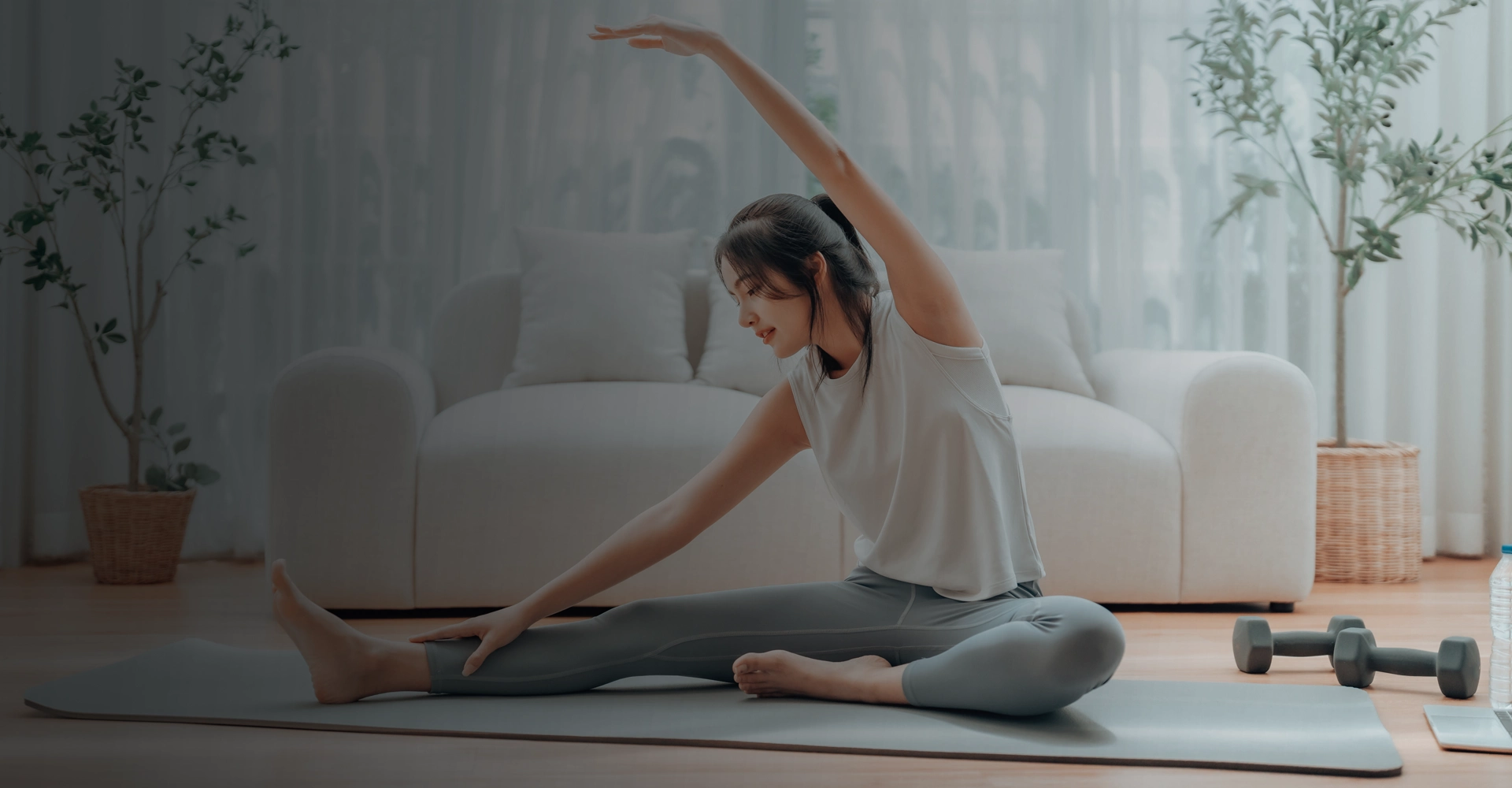
Explore yoga, massage and holistic well-being
Holistic wellness routines offer benefits for body and mind. Therapeutic massage promotes recovery, while yoga strengthens core muscles, improves spinal alignment, and contributes to joint mobility.

Precision of alignment
Refining asanas for advancement
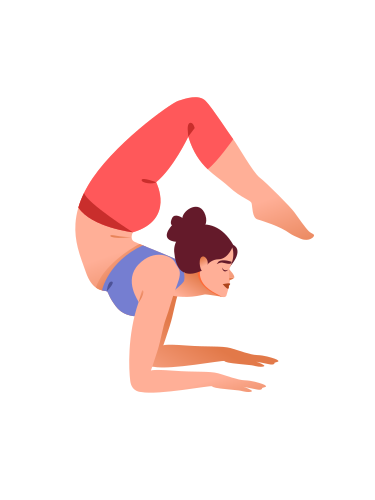
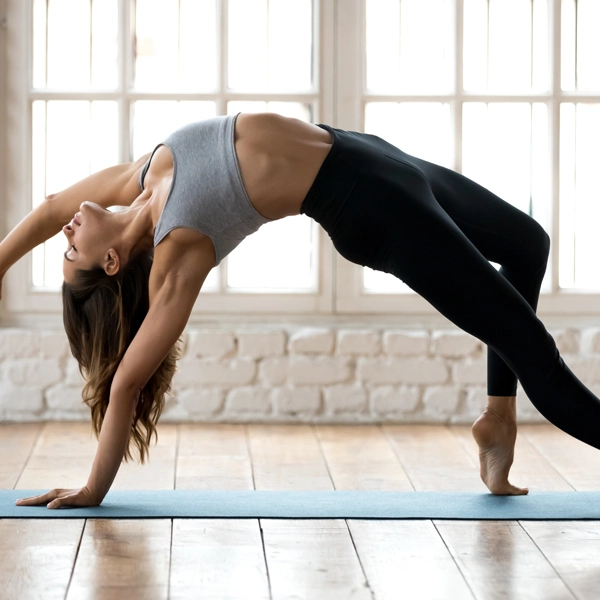
Advancement relies on biomechanical integrity rather than spectacular inversions. Each micro-adjustment creates deep connection between body, prana, and mind. By taking time to stabilize foundations, feel grounded, and respect anatomical limits, the practitioner develops functional strength, active flexibility, and inner balance.
Proprioception promotes injury rehabilitation and better self-regulation. Gradually, the mat becomes a space for somatic awareness, where Iyengar-style precision reveals mental clarity and nervous system regulation.

Beyond physicality: yoga as a spiritual path
Yoga transcends hatha postures or simple wellness. It is a transcendental path, a journey of dharma and transformation. Through pranayama, dhyana, and mindfulness, practitioners transcend bodily limitations to access profound Samadhi. This approach invites self-realization, emotional healing, and connection with universal consciousness.
Techniques for mental clarity and mindful living
Centering allows reconnection with inner balance and lasting vitality. By combining restorative poses, breathwork, and self-massage, the system finds natural harmony. These modalities promote deep tissue relaxation, increase sensory awareness, and help release myofascial tension. This practice becomes a sanctuary to alleviate burnout, clarify thoughts, and regain holistic health.
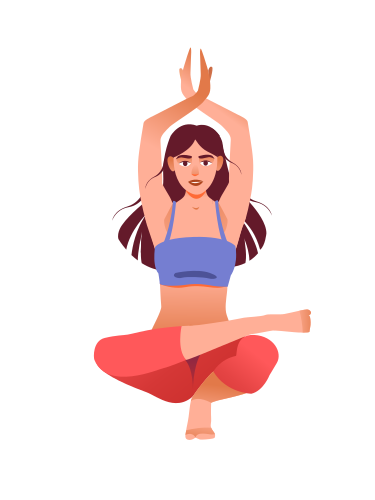

Pranayama techniques
Focus on diaphragmatic rhythm. Gently notice the inhalation, the exhalation, and the retention phases.
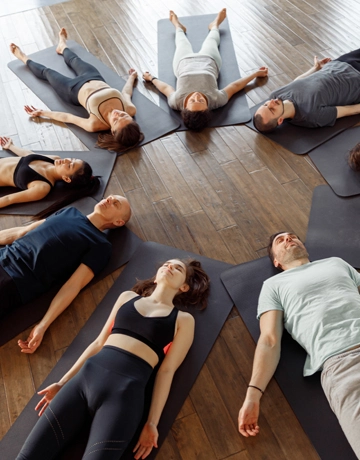
Yoga Nidra relaxation
Move attention from crown to toes, noticing energetic flow in each anatomical zone.
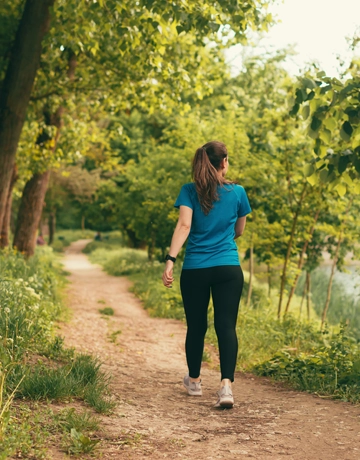
Nutritional balance: principles for sustainable health
Adopting Ayurvedic diet principles maintains metabolic fire. By prioritizing organic plant-based foods, the body receives micronutrients needed to function. Intuitive eating, mindful chewing, and herbal hydration also contribute to optimizing gut health and concentration.
Beyond physics, nutrient-dense intake influences emotional stability and cognitive function, creating a cycle where microbiome and mind strengthen each other.
Essential props and eco-friendly gear for yoga
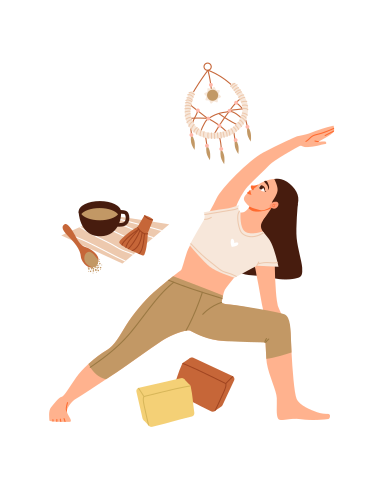
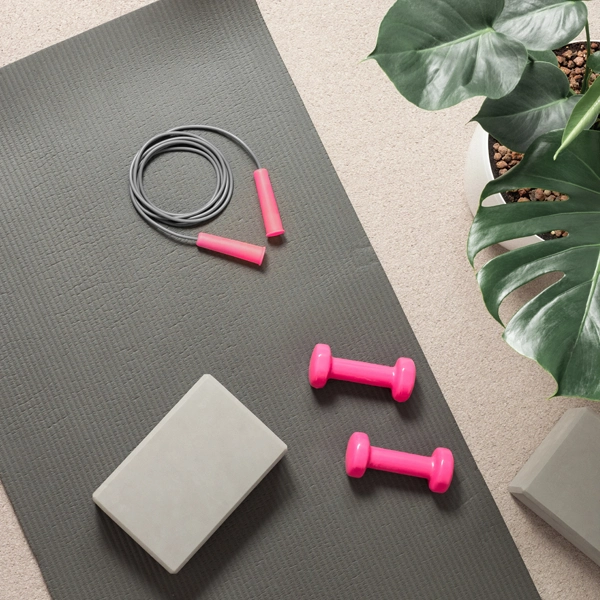
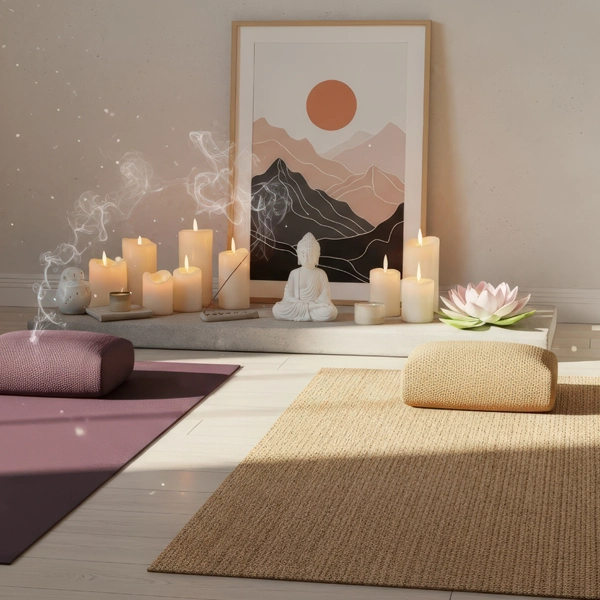
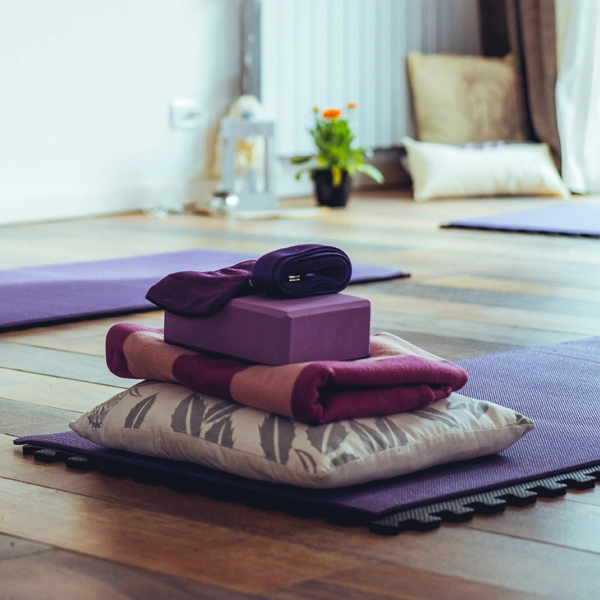
To practice safely, using professional equipment makes a difference. A non-slip rubber mat ensures stability, while cork blocks, cotton straps, or bolsters help perform modifications and prevent tension. Breathable activewear allows range of motion and regulates temperature. Complemented with zafus for meditation, these items enrich the experience, promote focus, and support home practice, making each session enjoyable.



The path to certified instruction
200-hour Teacher Training involves more than learning sequences. It is a path of development, where daily sadhana strengthens self-awareness. Understanding Sutras, knowing how to adjust alignment safely, and adapting methodology requires rigor. This approach allows you to teach authentically while cultivating growth, creating balance between pedagogical mastery and personal evolution.
Inclusive practice for everyone
Benefits of low-impact disciplines
Practicing accessible activities offers a balanced approach, suitable for beginners, seniors, and prenatal needs. Disciplines like restorative yoga, Pilates matwork, or tai chi, strengthen the body and protect ligaments without exertion. Beyond benefits, they promote stress management and well-being. Incorporating these routines is effective for maintaining lifelong mobility.