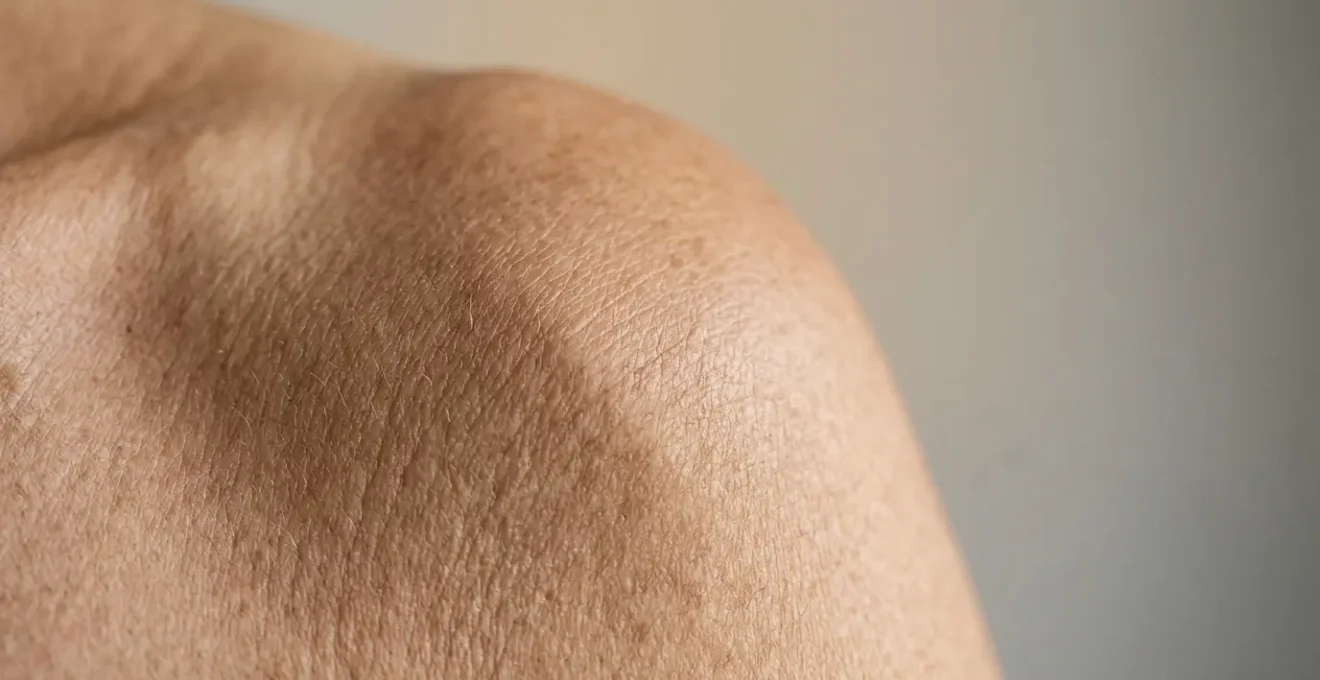
The gradual loss of mobility after 50 is not an inevitable sentence of ‘wear and tear’, but a result of reversible changes in your connective tissues and nervous system.
- Stiffness often comes from the dehydration and thickening of fascia and joint fluid, not just tight muscles.
- True mobility requires building strength at the very end of your range of motion to teach your brain it’s safe to go there.
Recommendation: Focus on daily, gentle movements that hydrate your joints and build control, rather than aggressive, infrequent stretching sessions.
That familiar stiffness when you get out of bed, the slight catch in your shoulder as you reach for the top shelf, or the feeling that your hips just don’t move like they used to. If you’re over 50, these experiences might feel like an unavoidable part of the ageing process. The common narrative is one of ‘wear and tear,’ a slow decline that we must simply accept. Many assume it’s the first sign of arthritis and that a future of restricted movement is a given.
But what if that narrative is incomplete? What if the root cause of this creeping stiffness isn’t just about worn-out parts, but about the quality and hydration of your body’s internal scaffolding? The key to unlocking fluid, confident movement lies not in fighting your body, but in understanding its language. It’s a language of connective tissue, neurological signals, and synovial fluid that, once understood, can be worked with, not against.
This article will shift the perspective from resignation to proactive care. We will explore what is truly happening inside your joints as they feel stiffer and, more importantly, provide practical, evidence-based strategies to reclaim your range of motion. We’ll differentiate between normal ageing and more serious conditions, and reveal why your chronological age doesn’t have to define your biological ability to move well.
This guide will walk you through the science and the solutions for maintaining and improving your mobility. Below is a summary of the key areas we will cover, providing a clear path from understanding the problem to implementing the solution.
Summary: Why Does Your Shoulder Lose Mobility After 50 Even Without Injury?
- What Happens Inside Your Joints When Stiffness Creeps in After Your 40s?
- How to Maintain Hip Mobility With a 7-Minute Daily Routine Before Work?
- Yoga or Mobility Drills: Which Improves Hip Range Faster for Runners Over 45?
- The Warm-Up Mistake That Damages Joint Cartilage Over Time
- When Is Morning Stiffness a Sign of Arthritis Rather Than Just Ageing?
- How to Strengthen the Bottom of Your Squat So Your Flexibility Becomes Usable?
- What Is Fascia and Why Does It Get Stiff Even When Your Muscles Are Flexible?
- Why Can Some 70-Year-Olds Move Better Than Some 40-Year-Olds?
What Happens Inside Your Joints When Stiffness Creeps in After Your 40s?
When you feel that increasing stiffness, it’s easy to blame your muscles. However, the real story is often deeper, within the very structure and fluid of the joint itself. As we age, the composition of our connective tissue changes. A key component is the gel-like substance rich in glycosaminoglycans (GAGs), which acts like a sponge, holding water and keeping tissues plump, lubricated, and resilient. Over time, these GAGs can diminish, leading to a less hydrated, thinner, and more viscous synovial fluid—the ‘oil’ in your joint. This reduces shock absorption and smooth gliding.
Simultaneously, the cartilage—the smooth, white tissue covering the ends of your bones—can begin to change. A landmark study from Harvard Medical School uncovered a specific mechanism behind this. Researchers found that as the tissue matrix around cartilage cells stiffens with age, it epigenetically suppresses a longevity protein called Klotho. A decrease in Klotho was directly linked to cartilage stiffening, creating a feedback loop. This isn’t just passive ‘wear and tear’; it’s an active biological process.
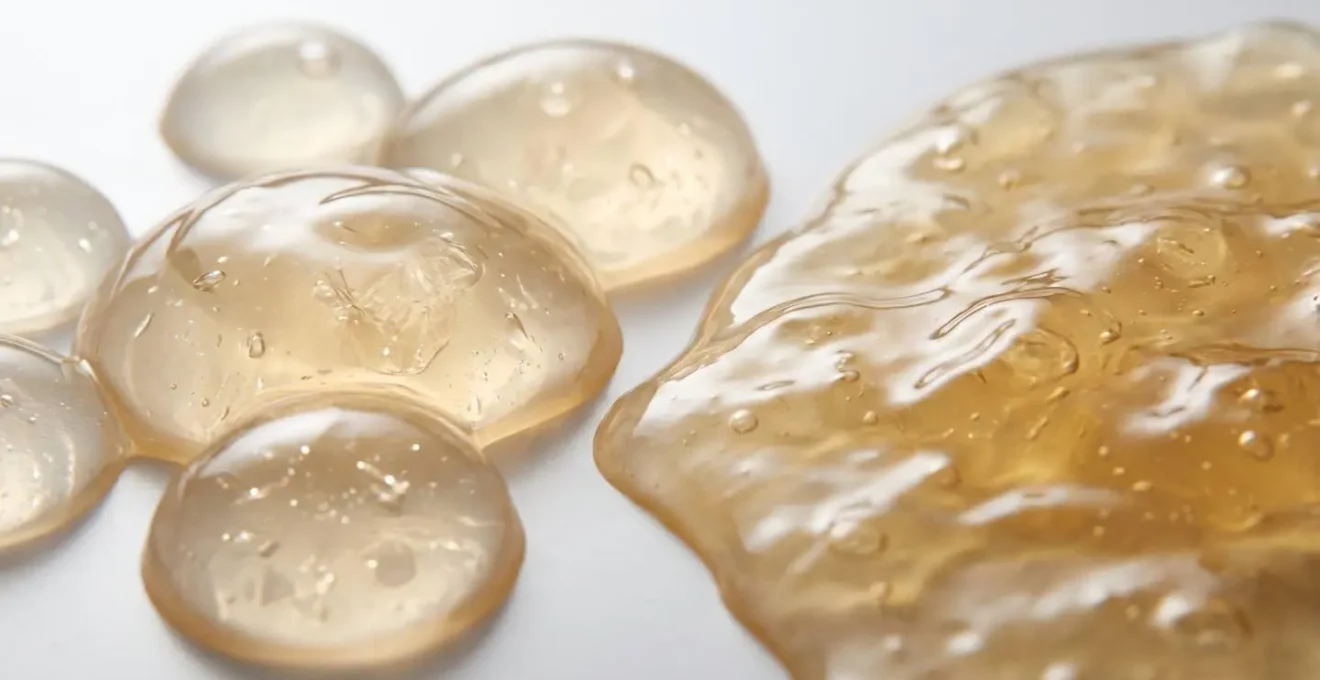
The illustration above provides a powerful analogy: on the left, well-hydrated, youthful tissue is plump and full, able to absorb force. On the right, the aged tissue has lost some of its water-retaining capacity, becoming thinner and less resilient. This fundamental change in tissue quality is a primary driver of the stiffness you feel, long before any significant muscle tightness sets in. Understanding this shifts the focus from aggressive stretching to promoting internal hydration and joint health.
How to Maintain Hip Mobility With a 7-Minute Daily Routine Before Work?
The hips are the powerhouse of the body, central to walking, climbing stairs, and virtually every athletic movement. When they become stiff, the effects ripple through the body, often causing lower back or knee pain as those areas compensate. The good news is that you don’t need hours in the gym to maintain and improve their function. A short, targeted daily routine can make a world of difference, especially when performed consistently.
The goal of a morning routine is not to force a deep stretch, but to gently rehydrate the joint capsule and wake up the nervous system. It’s about taking the joints through their full, available range of motion to signal that movement is safe. Think of it less as a workout and more as a « mobility hygiene » practice. While general activity like walking is beneficial for circulation, it doesn’t challenge the rotational and end-range capacities of the hip joint. A dedicated routine ensures these often-neglected movement patterns are addressed.
Instead of just following a list, you can turn your routine into a quick self-audit to become more aware of your body’s specific needs. The following plan is designed to be both a routine and a diagnostic tool, helping you pinpoint exactly where your limitations lie.
Your 7-Minute Hip Health Audit
- Assess Spinal Flow (Mins 1-2): Perform 10 slow Cat-Cow reps. Can you feel each vertebra moving smoothly, or are there « stuck » segments in your lower back? A rigid lumbar spine directly restricts hip movement.
- Check Capsular Space (Mins 3-4): Sit in a 90/90 stretch for 30 seconds on each side. Can you sit upright without leaning heavily on your hands? Note the difference in ease or pinching between your left and right hip. This reveals your baseline external/internal rotation.
- Test Loaded Depth (Min 5): Attempt 5 Cossack squats per side, going only as low as you can with control. Where do you feel the restriction first—your ankle, groin, or the front of your hip? This identifies your bottleneck in a loaded position.
- Verify Active Control (Min 6): Perform 5 slow, large hip circles in a quadruped position on each side. Do you feel a strong, controlled muscle contraction at the very edge of your range, or does your hip feel weak and wobbly? This tests your ‘neurological ownership’ of your flexibility.
- Create Your Plan (Min 7): Based on your tightest or weakest point identified in the steps above, dedicate this final minute (and perhaps a few more) to that specific drill. Personalize your focus for maximum impact.
Yoga or Mobility Drills: Which Improves Hip Range Faster for Runners Over 45?
For runners over 45, maintaining hip mobility is crucial for an efficient, injury-free stride. When faced with stiffness, many turn to either yoga or specific mobility drills, but which approach yields faster, more usable results? While both are beneficial, they work in fundamentally different ways, and the best choice depends on your specific goal.
Yoga typically focuses on improving global flexibility and promoting relaxation. Poses like Pigeon or Lizard place the tissues under a passive, prolonged stretch. This is excellent for down-regulating the nervous system, reducing overall muscle tone, and improving general tissue length over time. It provides a holistic benefit, enhancing body awareness and reducing stress, which can indirectly improve movement. However, the gains in flexibility are often passive, meaning you may not have the strength to actively use that new range of motion in a dynamic activity like running.
Mobility drills, on the other hand, are surgical in their approach. Techniques like Controlled Articular Rotations (CARs) or isometric-based methods (PAILs/RAILs) are designed to actively improve motor control at the very end of your available range. They teach the nervous system that this new range is safe and strong. This ‘neurological ownership’ is key for translating flexibility into functional movement. If a runner lacks hip extension at toe-off, a targeted mobility drill can address that specific limitation much more directly than a general yoga class.
This table breaks down the key differences to help you decide which tool is right for the job.
| Factor | Yoga | Mobility Drills (CARs/PAILs/RAILs) |
|---|---|---|
| Speed of Results | Slower, holistic adaptation (4-8 weeks) | Faster, targeted gains (2-4 weeks) |
| Neurological Adaptation | Gradual nervous system remapping | Direct, rapid motor control enhancement |
| Range Specificity | Global flexibility improvement | Surgical targeting of exact limitation |
| Active vs Passive | Primarily passive stretching | Active ownership at end-range with isometrics |
| Best for Runners | Overall wellness and stress reduction | Specific gait restrictions (hip extension deficit) |
| Recommended Approach | Hybrid: Use yoga poses to ‘open’ range, then mobility drills to ‘own’ it | |
The Warm-Up Mistake That Damages Joint Cartilage Over Time
The most common advice for warming up is to « get the blood flowing » and « do some stretching. » While well-intentioned, a critical mistake many people make is treating cold, stiff joints like they are already prepared for activity. The single biggest error is performing aggressive static stretching or jumping into high-impact movements before the joint’s internal environment is ready. This can be particularly damaging to cartilage over the long term.
Think of your cartilage like a sponge. When you are at rest, some of the synovial fluid is squeezed out. A cold, « dry » cartilage is brittle and has poor shock-absorbing qualities. Gentle, cyclical movement during a warm-up, like slow joint circles or light cycling, acts like squeezing and releasing that sponge in water. It draws synovial fluid back into the cartilage, making it plump, hydrated, and resilient. Only once the joint is internally prepared can it safely handle the loads of exercise or deeper stretches.
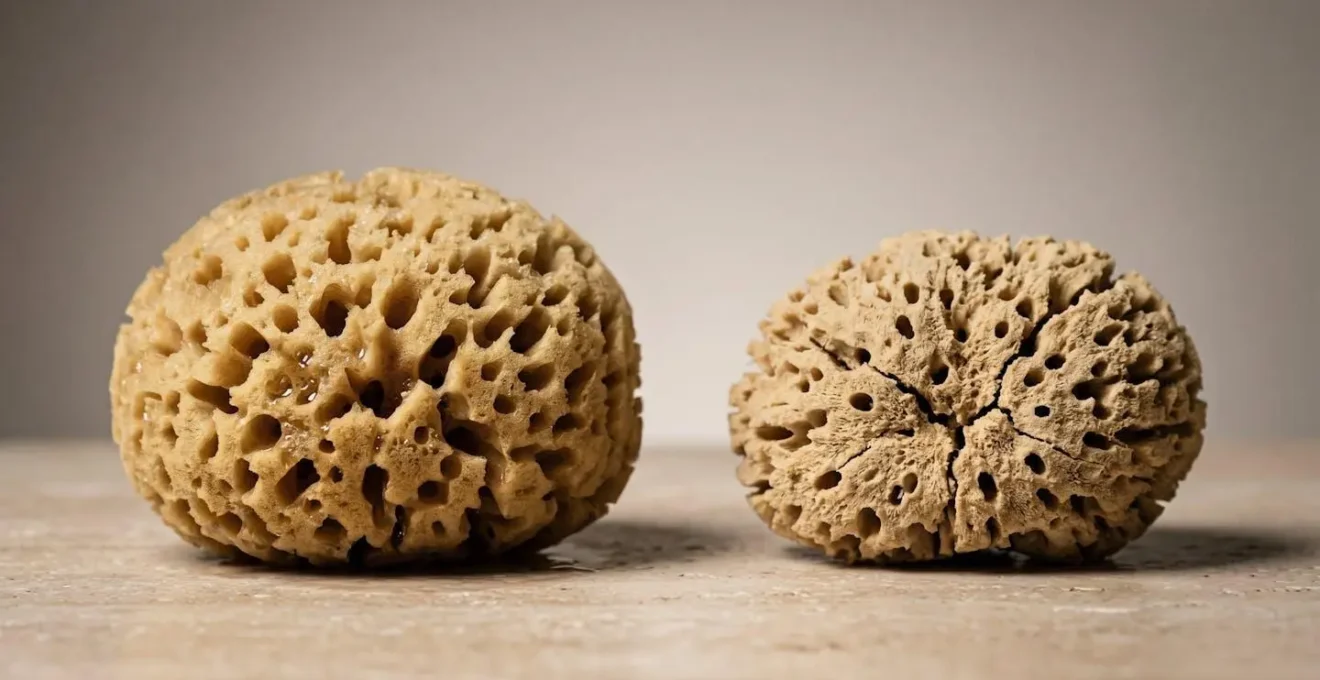
Ignoring this principle is a significant contributor to joint issues, especially in complex joints like the shoulder. In fact, shoulder injuries comprise 29% of sports-related injuries, and a lack of properly prepared mobility is a major factor. As physical therapist Grayson Wickham, founder of Movement Vault, explains, poor mobility leads to dangerous compensations.
As we get older, we lose the ability to access all ranges of motions without pain or compensation. If you have low mobility in your shoulder, your back will over-arch.
– Grayson Wickham, PT, DPT, CSCS, Founder of Movement Vault mobility company
The warm-up mistake, therefore, isn’t just about risking a muscle pull; it’s the repeated micro-trauma to unprepared cartilage. The right approach is to start with 3-5 minutes of gentle, rhythmic movements to hydrate the joint before progressing to more dynamic, range-of-motion exercises.
When Is Morning Stiffness a Sign of Arthritis Rather Than Just Ageing?
Waking up feeling stiff is a very common experience, especially after 50. For many, it’s a temporary « gelling » that eases within a few minutes of moving around. This is typical age-related stiffness, linked to the changes in synovial fluid and fascia we’ve discussed. But for others, morning stiffness can be more severe, persistent, and a potential signal of an underlying inflammatory condition like rheumatoid arthritis or the more mechanical wear of osteoarthritis.
Distinguishing between the two is crucial for getting the right kind of care. The key differentiators are often the duration, intensity, and accompanying symptoms of the stiffness. While age-related stiffness improves quickly with gentle movement, the stiffness from inflammatory arthritis can last for an hour or more and may not fully subside. Osteoarthritis, on the other hand, tends to cause pain that worsens with activity and gets better with rest, though some morning stiffness can occur.
The onset of these conditions often happens in mid-life. The World Health Organization notes that the typical onset of osteoarthritis is in the late 40s to mid-50s, a timeframe where it can easily be mistaken for normal ageing. Paying attention to the specific character of your symptoms is therefore essential. If your stiffness is severe, prolonged, accompanied by visible swelling or warmth in the joints, or if you feel systemically unwell (e.g., persistent fatigue), it is vital to consult a healthcare professional for a proper diagnosis.
Never self-diagnose a serious condition. However, being an informed observer of your own body can help you have a more productive conversation with your doctor. Recognizing these patterns can be the first step toward effective management and treatment, ensuring you don’t dismiss a treatable condition as an inevitable part of getting older.
How to Strengthen the Bottom of Your Squat So Your Flexibility Becomes Usable?
Many people work hard on their flexibility, achieving a deep squat in a passive stretch, only to find they can’t access that depth in a controlled, active movement. They either collapse at the bottom or can’t get down without rounding their back. This is a classic case of having flexibility without ‘neurological ownership.’ Your nervous system doesn’t trust your body in that deep position because it perceives it as weak and unstable. To make your flexibility usable, you must build strength at your end-range.
The solution isn’t more passive stretching. It’s about proving to your brain that the bottom of the squat is a safe, strong position. This is achieved through targeted exercises that build active control and tension in that specific range. You are essentially « upgrading the brakes » on your nervous system, turning off the protective signals that prevent you from using your full mobility. This process creates stability and turns a passive range of motion into an active, functional one.
Techniques like end-range isometrics are incredibly effective. By actively contracting muscles in your deepest position, you are sending a powerful message to your brain: « I am in control here. » Similarly, strengthening the hip flexors is often overlooked. Strong hip flexors don’t just lift your leg; they actively pull your torso down into a deep squat, creating space and control. As the experts at The Barbell Physio emphasize, eccentric-isometric work is a cornerstone of this process.
When it comes to improving squat-specific hip mobility, there is NOTHING better than eccentric isometric goblet squats.
– The Barbell Physio, Evidence-based physical therapy for athletes
Incorporating slow, controlled descents (eccentrics) with pauses at the bottom (isometrics) builds immense time-under-tension and control where you need it most. It’s this focused work that bridges the gap between simply being flexible and being strong and mobile.
What Is Fascia and Why Does It Get Stiff Even When Your Muscles Are Flexible?
You can stretch your hamstrings diligently, but still feel a sense of deep, underlying stiffness. The culprit is often not the muscle tissue itself, but the fascia. Fascia is the web of connective tissue that surrounds and weaves through every muscle, bone, nerve, and organ in your body. It’s a continuous, body-wide network that provides structure and allows for smooth gliding between tissues. When it’s healthy, fascia is supple and hydrated. But when it becomes unhealthy, it can get dense, fibrous, and « stuck. »
This fascial stiffness can happen for several reasons, including dehydration, lack of movement, or trauma. Crucially, it can occur even when the muscle fibres themselves are pliable. This explains why you might have good « muscle flexibility » but still lack functional mobility. The layers of tissue simply aren’t sliding past each other properly. Research has shown that the molecular structure of our connective tissue changes with age. A 2013 study in *Scientific Reports* found that the GAGs (glycosaminoglycans) on a key proteoglycan called decorin decrease in size with age, which is directly linked to altered tissue mechanics and fragility.
Furthermore, fascia is not just inert packing material; it’s a rich sensory organ. It is packed with far more nerve endings than muscle tissue, making it a primary source of information to your brain about your body’s position and state. This high level of innervation means that when fascia is stiff or « unhealthy, » it can be a significant source of pain and movement restriction. It’s your body’s way of putting on the brakes to prevent what it perceives as potential damage.
Therefore, addressing stiffness requires a strategy that goes beyond muscle. It involves movements that shear, wring out, and rehydrate this fascial network. Practices that involve varied, multi-planar movements are often more effective at improving fascial health than simple, linear stretching.
Key Takeaways
- Stiffness is often caused by dehydration and structural changes in connective tissue (fascia), not just tight muscles.
- True, usable mobility requires building strength and control at the very end of your range of motion.
- Consistent, gentle daily movements that hydrate joints are more effective for long-term health than occasional, aggressive stretching sessions.
Why Can Some 70-Year-Olds Move Better Than Some 40-Year-Olds?
It’s a sight that can be both inspiring and puzzling: a 70-year-old effortlessly gardening or playing with grandchildren, moving with a fluidity that a sedentary 40-year-old can only envy. This common observation shatters the myth that chronological age is the sole determinant of our physical capabilities. The difference between the two individuals is not their birth year, but their biological age—the state of their cells and tissues, which is profoundly influenced by lifestyle, mindset, and movement habits.
The 40-year-old may have a desk job, limited physical activity, and a diet that promotes low-grade inflammation. Over decades, this leads to the fascial dehydration, collagen cross-linking, and neurological « braking » we’ve discussed. While research confirms that collagen cross-links increase with age, making tissues potentially stiffer, this is a process that can be managed and mitigated. In contrast, the 70-year-old has likely maintained a life of consistent, varied movement. They have continued to hydrate their joint cartilage, stimulate their fascial network, and maintain the neurological pathways that allow for confident, full-range motion.

Mindset also plays a powerful role. As one qualitative study on older adults noted, a major barrier to seeking care is a cultural belief that stiffness is an inevitable part of ageing. This belief can become a self-fulfilling prophecy.
Most older people with chronic peripheral joint pain do not consult a doctor, a major reason being that joint pain and stiffness are seen as an inevitable part of ageing.
– Qualitative study researchers, PMC study on perceptions of joint pain and wellness in older people
The person who views movement as a non-negotiable part of daily life actively counters the physiological processes of stiffening. They prove, day by day, that age is a number, but movement is a choice. Their superior mobility is not a genetic lottery win; it’s the cumulative result of thousands of small, intelligent decisions made over a lifetime.
The journey to better movement at any age begins with this understanding. By shifting your focus from fighting age to intelligently working with your body’s systems, you can take proactive control of your joint health. The next logical step is to commit to a small, consistent daily practice that puts these principles into action.
Frequently Asked Questions About Joint Stiffness
How long does morning stiffness typically last with normal aging versus inflammatory arthritis?
Age-related stiffness significantly improves within a few minutes of gentle movement as tissues ‘warm up.’ Inflammatory arthritis stiffness may improve somewhat but often leaves a persistent underlying ache, swelling, or incomplete relief even after 30-60 minutes of activity.
What are the systemic clues that suggest inflammatory arthritis rather than just aging?
Inflammatory arthritis is a systemic disease. Key differentiators include persistent fatigue, low-grade fever, unexplained weight loss, or multiple joint involvement – symptoms absent in simple age-related stiffness which is typically localized.
Does rest make the stiffness better or worse?
Mechanical issues like osteoarthritis typically feel worse with activity and better after rest. Inflammatory issues like rheumatoid arthritis feel worse after rest (peak morning stiffness) and often temporarily better with gentle movement – a key diagnostic distinction.