That dizzy, tingling, or lightheaded feeling during breathwork isn’t a sign you’re doing it wrong; it’s a predictable physiological reaction to changes in your blood chemistry, specifically a rapid drop in carbon dioxide. This article explains the science behind these sensations, reassuring you that they are manageable. By understanding the mechanism, you can learn to modify your practice, build tolerance safely, and finally unlock the calming and energising benefits of breathwork without fear.
You sit down, close your eyes, and follow the instructions from the calm voice on your app. « Breathe deeply, » it says. You’re seeking tranquility, focus, or perhaps a burst of energy. Instead, a few minutes in, your head starts to spin. Your fingers tingle. A wave of dizziness washes over you, replacing the promised peace with a subtle sense of panic. If you’ve ever felt that breathwork was « working against you, » you are not alone. This experience is incredibly common and one of the main reasons beginners abandon the practice, fearing they are doing something harmful.
The wellness world is filled with promises about the power of the breath, but it often fails to explain the user manual. We’re told to breathe to calm anxiety, yet for many, the sensations triggered by conscious breathing feel strikingly similar to anxiety itself. This paradox can be deeply unsettling. The common advice to « just relax and breathe through it » is unhelpful when your body is sending you powerful signals of alarm.
But what if those signals weren’t an alarm, but simply information? What if the dizziness and tingling weren’t signs of danger, but predictable, neutral, physiological events? The key to transforming your breathwork experience from frightening to fruitful lies not in ignoring these sensations, but in understanding them. It’s not about your willpower or ability to relax; it’s about your body’s chemistry.
This guide will demystify these uncomfortable symptoms. We will explore the science of what happens in your body during different breathing patterns, explain why some techniques energise while others calm, and provide a clear, safety-first framework for anyone, especially those with conditions like asthma or panic disorder, to begin or resume their practice with confidence.
To navigate this topic clearly, we’ve structured this guide to answer your most pressing questions. Here’s a look at what we’ll cover, moving from the foundational science to practical, safe application.
Summary: Why Deep Breathing Can Make You Feel Dizzy
- Why Does Some Breathwork Energise You While Other Techniques Make You Sleepy?
- How to Begin Breathwork Safely When You Have Asthma or Panic Disorder?
- Which Breathing Technique Should You Use Before an Important Work Presentation?
- What Warning Signs Indicate You Should Stop a Breathwork Practice Immediately?
- How to Progress from Basic Breathing to Advanced Pranayama Over 12 Weeks?
- Which Breathing Technique Works When You Are Already Too Activated to Breathe Slowly?
- What Physically Happens Differently When You Breathe with Your Diaphragm vs Chest?
- Why Does Your Teacher Say to Breathe Slowly but Your Body Wants to Breathe Fast?
Why Does Some Breathwork Energise You While Other Techniques Make You Sleepy?
The profound difference between an energising breathwork session and a calming one lies in the direct impact of your breathing pattern on your autonomic nervous system (ANS). Your ANS has two main branches: the sympathetic (« fight or flight ») and the parasympathetic (« rest and digest »). Different breathing styles intentionally activate one over the other. Fast, powerful breathing patterns, often called hyperventilation practices, are designed to stimulate the sympathetic nervous system.
When you breathe rapidly and deeply, you expel carbon dioxide (CO2) faster than your body produces it. This state, known as hypocapnia, causes a temporary shift in your blood’s pH, making it more alkaline. This has a powerful physiological effect: it causes blood vessels, particularly those in the brain, to constrict. This is the primary cause of the dizziness and tingling you feel. As research published in PLOS ONE demonstrates that hyperventilation acutely reduces regional cerebral blood flow, the lightheadedness is a direct, physical consequence of this temporary change.
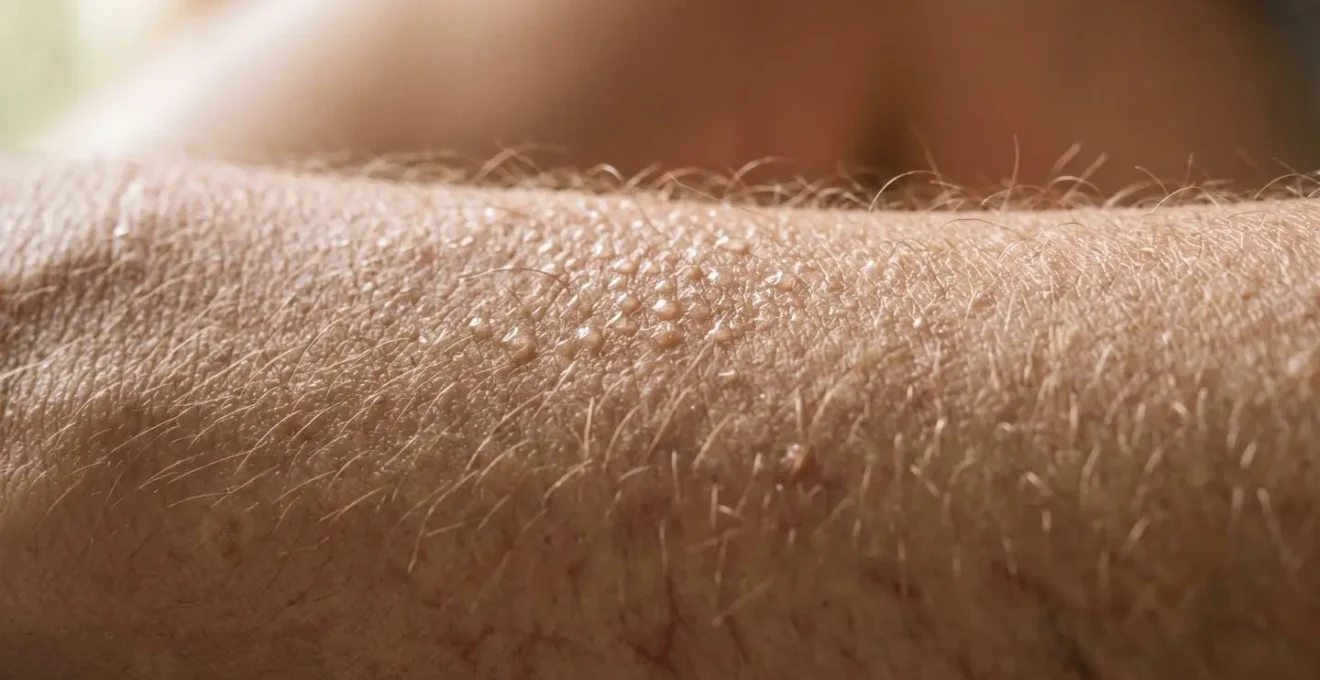
While this sounds alarming, in a controlled setting, it’s the very mechanism that creates a feeling of alertness and energy. As researchers note, this process is about creating a state of readiness. According to Fincham et al. in their study on high ventilation breathwork:
Hyperventilation evokes allostatic changes in action-ready bodily arousal, mediated via the autonomic nervous system via the dominance of sympathetic over parasympathetic drive to the heart and blood vessels.
– Fincham et al., Neurobiological substrates of altered states of consciousness induced by high ventilation breathwork
Conversely, slow, gentle breathing techniques, especially those with a longer exhale, activate the parasympathetic nervous system. A slow exhale stimulates the vagus nerve, a primary component of the parasympathetic system, which lowers your heart rate and blood pressure, leading to a state of calm and, eventually, sleepiness. The key is the pace and ratio, not just the depth.
How to Begin Breathwork Safely When You Have Asthma or Panic Disorder?
For individuals with respiratory conditions like asthma or a history of panic attacks, the instruction to « take a deep breath » can be a significant trigger. The sensations of breathlessness or lightheadedness, which might be mildly interesting to some, can feel dangerous and threatening. Therefore, the approach must be radically different: prioritise safety and predictability over performance or intensity. The goal is not to push through discomfort but to gently expand your window of tolerance.
The foundation of a safe practice is to prove to your nervous system that the sensations of breathing are not a threat. This starts with simple, non-invasive observation. Before attempting to change your breath, spend time just noticing it. Feel the air at the tip of your nostrils. Notice the gentle rise and fall of your belly. This practice of interoception—sensing the internal state of your body—builds a foundation of mindful awareness without triggering a stress response.
Extended breath holds are a common feature in many breathwork styles, but they can be problematic for those with asthma or anxiety. Instead, focus on « micro-holds. » After a normal, gentle exhale, simply pause for a count of one or two before the next inhale begins. This subtly and safely helps the body grow more tolerant to slight increases in CO2 without triggering bronchoconstriction or the feeling of panic associated with air hunger. A predictable ritual can also create a powerful sense of safety. Practice in the same quiet, comfortable spot each day. For asthmatics, keep your rescue inhaler visibly nearby. For those with panic disorder, have a grounding object like a smooth stone or a soft blanket within reach. This isn’t about expecting the worst; it’s about giving your brain concrete evidence that you are in a safe, controlled environment.
Action Plan: A Safe Start for Sensitive Systems
- Start with observational breathing only: simply notice the sensation of air moving without attempting to change the pattern, proving to the nervous system these feelings are not threatening.
- Practice ‘micro-holds’: try brief 1-2 second pauses after the exhale rather than extended breath retention to gently build CO2 tolerance without triggering alarm.
- Create a predictable safety ritual: practice at the same time, in the same quiet location, with a rescue inhaler visibly nearby (for asthma) or a grounding object (for panic).
- Begin with shorter sessions: start with just 2-3 minutes and gradually increase the duration as your comfort and confidence build over days or weeks.
- Consider professional guidance: work with a trauma-informed facilitator who understands the specific overlap between asthma, anxiety, and breathwork contraindications.
Which Breathing Technique Should You Use Before an Important Work Presentation?
The moments before a high-stakes event like a work presentation are not the time for energising, hyperventilation-style breathwork. The goal here is the opposite: to calm the sympathetic « fight or flight » response (the racing heart, sweaty palms) and engage the parasympathetic « rest and digest » system to promote a state of calm alertness. You don’t want to be drowsy, but you need to be centered and in control. The ideal technique for this is known as Coherent Breathing or Resonant Breathing.
The principle is remarkably simple: breathe at a rate of roughly 5 to 6 breaths per minute. This typically translates to a 5-second inhale and a 5-second exhale, or a 6-second inhale and 6-second exhale. This specific rhythm has been shown to maximize heart rate variability (HRV), a key indicator of a balanced and resilient nervous system. When your breathing and heart rate synchronise in this way, it sends a powerful signal of safety and calm to your brain, effectively putting the brakes on the stress response.
Why does this work so well for pre-presentation jitters?
- It’s Discreet: You can do it anywhere without anyone noticing. Practice it at your desk, in the restroom, or even while waiting for your turn to speak. The breathing is gentle and quiet through the nose.
- It’s Simple to Remember: Under stress, you don’t want a complex sequence. « Inhale for 5, exhale for 5 » is easy to recall.
- It’s Immediately Effective: While long-term practice yields greater benefits, even a few minutes of coherent breathing can tangibly reduce feelings of anxiety and bring your focus back to the present moment.
This isn’t just folk wisdom; it’s a technique with growing scientific backing for its ability to regulate the nervous system. As respiratory specialist David Putrino noted regarding its application:
Breathing at around 5.5 breaths per minute for 10 minutes each day improved symptoms and wellbeing after 4 weeks.
– David Putrino, Coherent breathing research application
For an immediate effect before your presentation, find a quiet corner and practice for 2 to 5 minutes. Inhale gently through your nose for a count of 5, and exhale just as gently through your nose for a count of 5. Focus on the sensation of the air and the counting. This simple act can be the anchor that transforms nervous energy into focused, confident delivery.
What Warning Signs Indicate You Should Stop a Breathwork Practice Immediately?
While gentle breathwork is overwhelmingly safe, more intensive practices intentionally push physiological boundaries. It is absolutely crucial to distinguish between expected, manageable intensity (like tingling or a feeling of energy) and genuine warning signs that indicate you should stop immediately and return to normal breathing. Your safety is paramount, and honoring these signals is a sign of wisdom, not weakness. Dizziness is a common symptom in various conditions, and a recent clinical study found that 23% of referrals to a dizziness clinic also had disordered breathing, highlighting the importance of listening to your body.
The first and most important signal is chest pain. While you might feel your intercostal muscles working, any sharp, constricting, or painful sensation in the chest is a red flag. It could indicate cardiovascular stress and warrants immediate cessation of the practice and medical evaluation if it persists. The goal is to challenge your respiratory system, not to strain your heart.
Pay close attention to your sensory perception. While mild shifts are normal, certain changes are critical indicators to stop:
- Auditory Changes: Persistent ringing in the ears (tinnitus) or your hearing becoming significantly muffled suggests more extreme changes in cerebral blood flow or pressure.
- Visual Disturbances: If your vision starts to narrow (tunnel vision), becomes blurry, or you see spots or flashes of light, you are pushing too far. Your practice should not compromise your sight.
- Sudden Sharp Headache: A dull pressure can be normal, but a sudden, sharp, or piercing headache can indicate a rapid and potentially dangerous spike in blood pressure.
Finally, there’s a crucial psychological distinction to make. A feeling of manageable intensity, or even a sense of emotional release, is often part of the process. However, if this tips into a genuine sense of losing control or a feeling of impending doom, it is no longer a therapeutic state. This is your nervous system’s ultimate stop signal. A healthy practice should feel empowering, not terrifying. If any of these symptoms continue for more than a minute or two after you’ve stopped and returned to normal breathing, it’s wise to seek medical advice.
How to Progress from Basic Breathing to Advanced Pranayama Over 12 Weeks?
The journey from simply noticing your breath to practicing advanced pranayama (the yogic discipline of breath control) is a marathon, not a sprint. A structured, patient approach is essential to build physiological tolerance and psychological resilience, ensuring the practice remains safe and beneficial. Rushing into complex techniques without a solid foundation is the most common cause of negative experiences like overwhelming dizziness or anxiety. The entire process is about gradually making your nervous system more flexible and adaptable.
The benefits of consistent, gentle practice are well-documented. Research in Scientific Reports demonstrates that just 5 minutes of deep and slow breathing can efficiently increase parasympathetic activity and reduce anxiety. This is your starting point: small, consistent doses of calm. The progression isn’t about achieving dramatic states; it’s about building a stable base. This involves mastering the physical mechanics of breathing before layering on more complex timing and holds. The most crucial foundational skill is learning to breathe with your diaphragm, the primary muscle of respiration.
Once you can reliably breathe from your belly, the next phase is to gently improve your body’s tolerance to carbon dioxide (CO2). As we’ve seen, many uncomfortable sensations arise from a low tolerance to shifts in CO2. Techniques like extending your exhales or using very short pauses after the exhale (micro-holds) are excellent tools for this. Only after you have built this foundation of mechanical skill and CO2 tolerance should you begin to explore more advanced techniques involving longer breath retentions (kumbhaka) and internal pressure locks (bandhas). A structured 12-week progression can provide a safe and effective path to developing a mature practice.
The following framework illustrates how to build your practice layer by layer, focusing on a specific interoceptive (internal sensing) milestone at each phase. This ensures you are developing not just technique, but deep bodily awareness.
| Phase | Weeks | Focus | Techniques | Interoceptive Milestone |
|---|---|---|---|---|
| Foundation | 1-4 | Diaphragmatic Mechanics | Belly breathing, Sama Vritti (equal breathing 4:4), nasal breathing awareness | Can you feel your diaphragm move fully without chest dominance? |
| Tolerance Building | 5-8 | CO2 Tolerance | Extended exhales (4:6, 4:8), micro-holds (1-2 sec), Box Breathing (4:4:4:4) | Can you notice the first urge to breathe without panic or override? |
| Autonomic Regulation | 9-12 | Nervous System Shifting | Vishama Vritti (unequal ratios), Coherent Breathing (5.5 breaths/min), intro to Kumbhaka with Bandhas | Can you consciously shift from alert to calm states? Can you feel your heartbeat slow? |
Which Breathing Technique Works When You Are Already Too Activated to Breathe Slowly?
There is a frustrating paradox that occurs when you are in a state of high stress or anxiety. You know that a slow, calm breath would help, but your body is so activated that attempting to force a slow inhale feels impossible and can even increase your sense of panic. Your chest is tight, your breathing is rapid and shallow, and the instruction « take a slow, deep breath » feels like being asked to run a marathon with a sprained ankle. In this state, you need a tool that works *with* your body’s activated state, not against it.
The most effective technique in this scenario is the Physiological Sigh. Popularised by Stanford neuroscientist Dr. Andrew Huberman, this is an innate breathing pattern that our bodies naturally use to offload stress and reset the nervous system. You have likely done it spontaneously after a good cry or when feeling exhausted. It consists of two quick inhales through the nose followed by one long, extended exhale through the mouth.
Here’s the mechanism: your lungs are filled with tiny sacs called alveoli, which are responsible for gas exchange. When you are stressed, these sacs can collapse. The double inhale (a full inhale, followed by another short « sip » of air on top) serves to pop these alveoli back open, maximizing the surface area of your lungs. Then, the long, slow exhale does the real work of calming you down. A prolonged exhale is the fastest and most efficient way to activate your parasympathetic nervous system via the vagus nerve, slowing your heart rate and signaling to your brain that the threat has passed. The beauty of this technique is that it doesn’t require a calm state to initiate. You can do it even when your breathing is ragged. One to three cycles of the Physiological Sigh can produce a noticeable shift in your state of arousal in under a minute.
What Physically Happens Differently When You Breathe with Your Diaphragm vs Chest?
The distinction between diaphragmatic (belly) breathing and thoracic (chest) breathing is the most fundamental concept in functional breathwork, yet its importance is often understated. The physical consequences of these two patterns are profoundly different, affecting everything from your stress levels to your lymphatic drainage. At a glance, they both move air, but *how* they do it changes everything.
Diaphragmatic breathing is our natural, optimal way of breathing. The diaphragm is a large, dome-shaped muscle at the base of the lungs. On inhalation, it contracts and moves downward, creating a vacuum that pulls air into the lower, most blood-rich part of the lungs. This creates visible expansion in the abdomen. This downward movement also gently massages the internal organs and the large cluster of nerve endings in the solar plexus, including the vagus nerve. This vagal stimulation is a direct pathway to activating the parasympathetic « rest and digest » nervous system. Furthermore, this pumping action is a primary driver for the lymphatic system, helping to circulate immune cells and clear waste from the body.
Chest breathing, on the other hand, is a secondary, compensatory pattern. It relies on the smaller accessory muscles of the neck, shoulders, and upper chest (like the scalenes and sternocleidomastoid) to lift the rib cage. This is metabolically inefficient and pulls air primarily into the upper lobes of the lungs, which are less efficient at gas exchange. Chronic chest breathing keeps the body in a low-grade state of sympathetic « fight or flight » activation. It creates tension in the neck and shoulders, can contribute to headaches, and fails to provide the vagal stimulation and lymphatic pumping that diaphragmatic breathing offers. While useful for short bursts of intense physical effort, it becomes dysfunctional when it is your default pattern.
Essentially, your body interprets chest breathing as a sign of threat, because that’s when we historically needed it—to prepare for a sprint. Diaphragmatic breathing signals safety, efficiency, and recovery. Learning to shift from the latter to the former is the first step in retraining your nervous system for resilience and calm.
Key Takeaways
- Dizziness is a predictable chemical reaction to a drop in CO2, not a sign of failure or lack of oxygen.
- The exhale is your primary tool for calming the nervous system; making it longer than the inhale activates your « rest and digest » response.
- A safe practice begins with observation, not action. Notice your breath before trying to change it, especially if you have anxiety or asthma.
Why Does Your Teacher Say to Breathe Slowly but Your Body Wants to Breathe Fast?
This is perhaps the most common and frustrating experience in breathwork. You are diligently following instructions for a slow, 6-second exhale, but by second 4, an overwhelming urge to gasp for air takes over. This feeling, often called « air hunger, » feels like a desperate need for oxygen. However, in almost all cases, it’s not a lack of oxygen that’s driving the sensation—it’s a sensitivity to rising levels of carbon dioxide (CO2).
Your brain has specialised chemical sensors (chemoreceptors) that constantly monitor the levels of O2 and CO2 in your blood. While oxygen is vital, your primary trigger to breathe is actually the accumulation of CO2. When you consciously slow down your breathing, especially by extending your exhale, CO2 has more time to build up in your system before it’s expelled. If your body is accustomed to the lower CO2 levels associated with habitual shallow or rapid breathing, this slight increase is interpreted by your chemoreceptors as an urgent alarm: « Breathe now! »
This is not a failure of willpower; it’s a deeply ingrained physiological reflex. Your body is doing exactly what it’s programmed to do to keep you safe based on its current calibration. The teacher’s instruction to breathe slowly is the goal, but your body’s immediate response is based on its current conditioning. The practice, therefore, is not to fight or override this signal with brute force, but to gently and gradually re-calibrate your chemoreceptors. You are teaching your nervous system that this slightly higher level of CO2 is not a threat.
This is achieved by working at the edge of your comfort, not by diving into discomfort. If the urge to breathe comes at 4 seconds, you practice breathing for 3.5 seconds. You stay there for days or weeks until it feels easy, then you extend to 4 seconds. This gradual, patient process is how you build CO2 tolerance. You are effectively widening your body’s window of what it considers « safe, » allowing you to eventually access the profound calm that lies on the other side of that initial air hunger reflex.
By understanding that this urge to breathe is a CO2 signal, not an oxygen deficit, you can approach the sensation with curiosity instead of panic. You can begin a new, more compassionate conversation with your body, one that allows you to safely and effectively harness the power of your breath. Begin your practice today by simply noticing your breath, trusting that you now have the knowledge to interpret its signals with confidence and care.