
The intense panic you feel during a short breath hold isn’t about a lack of oxygen; it’s an oversensitive and misunderstood response to rising carbon dioxide (CO2) in your blood.
- Your body’s urge to breathe is primarily triggered by CO2 buildup, not oxygen depletion.
- This response can be safely and systematically retrained, turning the feeling of panic into one of calm control.
Recommendation: Stop trying to ‘force’ longer holds and instead focus on a progressive practice that gently increases your physiological CO2 tolerance.
You settle into your meditation, follow your teacher’s cue, and take a deep, calming inhalation. You hold. One… two… three seconds pass. By the count of seven, an internal alarm bell starts ringing. At ten seconds, it’s a frantic siren. Your throat tightens, your heart races, and an overwhelming urge to gasp for air consumes you. You release the breath, feeling a mix of relief and frustration. You look around, and others seem to be holding their breath for a minute, even two, with serene composure. It feels like you’re failing at the most basic level.
This experience is incredibly common and deeply discouraging for many yoga practitioners. The conventional advice is often to « just relax more » or « practice consistently, » which feels impossible when your body is screaming that it’s suffocating. The issue isn’t a lack of willpower or a physical defect. The discomfort stems from a fundamental misunderstanding of what is actually happening in your body during breath retention, or kumbhaka.
The key isn’t to fight this panic signal but to understand it. The intense urge to breathe is not driven by a dangerous drop in oxygen. Instead, it’s a powerful, reflexive response from your brain’s chemoreceptors to a slight increase in carbon dioxide. The secret to comfortable, extended breath holds lies not in ignoring this signal, but in gradually and intelligently retraining your nervous system to tolerate higher levels of CO2. This transforms the practice from a battle of wills into a delicate recalibration of your internal chemistry.
This guide will deconstruct the science behind your body’s panic response and provide a clear, progressive path forward. We will explore the physiological changes that occur during a hold, outline a safe, step-by-step training plan, differentiate between key techniques, and establish the non-negotiable safety protocols. By the end, you will have the knowledge to work *with* your body, not against it, to unlock the profound benefits of kumbhaka.
To navigate this journey from discomfort to mastery, this article is structured to build your understanding step-by-step. The following sections will guide you through the science, the methods, and the safety measures essential for a successful breath retention practice.
Summary: Mastering Your Breath Hold: From Panic to Pranayama
- What Actually Happens in Your Blood and Brain During a 30-Second Breath Hold?
- How to Extend Your Comfortable Breath Hold from 10 Seconds to 45 Seconds Over 8 Weeks?
- What Is the Difference Between Holding After Inhale Versus After Exhale and When to Use Each?
- What Symptoms Mean You Should Immediately Stop Breath Retention Practice?
- Where Do Breath Holds Fit Within a Full Pranayama Routine and for How Long?
- Who Should Never Practice Breath Retention and Why It Can Be Dangerous?
- Which Breathing Technique Works When You Are Already Too Activated to Breathe Slowly?
- Why Does Your Teacher Say to Breathe Slowly but Your Body Wants to Breathe Fast?
What Actually Happens in Your Blood and Brain During a 30-Second Breath Hold?
That overwhelming urge to breathe after just a few seconds isn’t a sign of oxygen deprivation. During a short hold of 30 seconds to a minute, your blood oxygen saturation barely changes. The real driver of this « air hunger » is carbon dioxide (CO2). As you hold your breath, CO2, a natural byproduct of your metabolism, begins to accumulate in your bloodstream. This is the signal your body is built to respond to, not a lack of oxygen. In fact, for an untrained individual, breath-hold durations typically range from 30 seconds to 2 minutes, all primarily dictated by CO2 tolerance.
Specialized sensors in your arteries and brainstem, called chemoreceptors, are exquisitely sensitive to changes in blood acidity caused by rising CO2. When CO2 levels cross a certain personal threshold, these receptors send an urgent signal to your brain: « Breathe now! » This is a primal, life-sustaining reflex. For individuals unaccustomed to this sensation, the brain interprets this strong physiological command as a threat, triggering a sympathetic nervous system response—the feeling of panic, anxiety, and distress.
As Dr. Andrew Sellars, a specialist in respiratory physiology, explains, this mechanism is the absolute core of breath control. It’s not a flaw; it’s a feature of our biology.
CO2 is the primary controller of ventilation. Higher levels of CO2 force us to breathe more, a response to chemoreceptors in the carotid bodies and central receptors in the medulla.
– Dr. Andrew Sellars, VO2 Master Education Series on CO2 and Breathing
Therefore, the goal of kumbhaka practice isn’t to defeat this system but to gently increase its tolerance threshold. Through consistent and mindful practice, you teach your chemoreceptors that slightly elevated CO2 levels are safe and do not require an immediate, panicked response. This recalibration is what separates a stressful 10-second hold from a calm 2-minute one.
How to Extend Your Comfortable Breath Hold from 10 Seconds to 45 Seconds Over 8 Weeks?
Moving from a panicked 10-second hold to a comfortable 45-second one is not achieved through force. It requires a systematic, progressive approach that builds your physiological and psychological resilience. The key is to never push into the red zone of « apneic stress »—the state where you feel a gasp reflex upon release. Each hold should end with a sense of calm control. This 8-week plan focuses on building foundational breath capacity before even introducing significant holds, ensuring a safe and sustainable progression.
This journey is about building a solid foundation first. You must master the art of full, controlled breaths before you can comfortably pause between them. The following timeline illustrates how to layer these skills incrementally, ensuring your nervous system adapts at each stage.
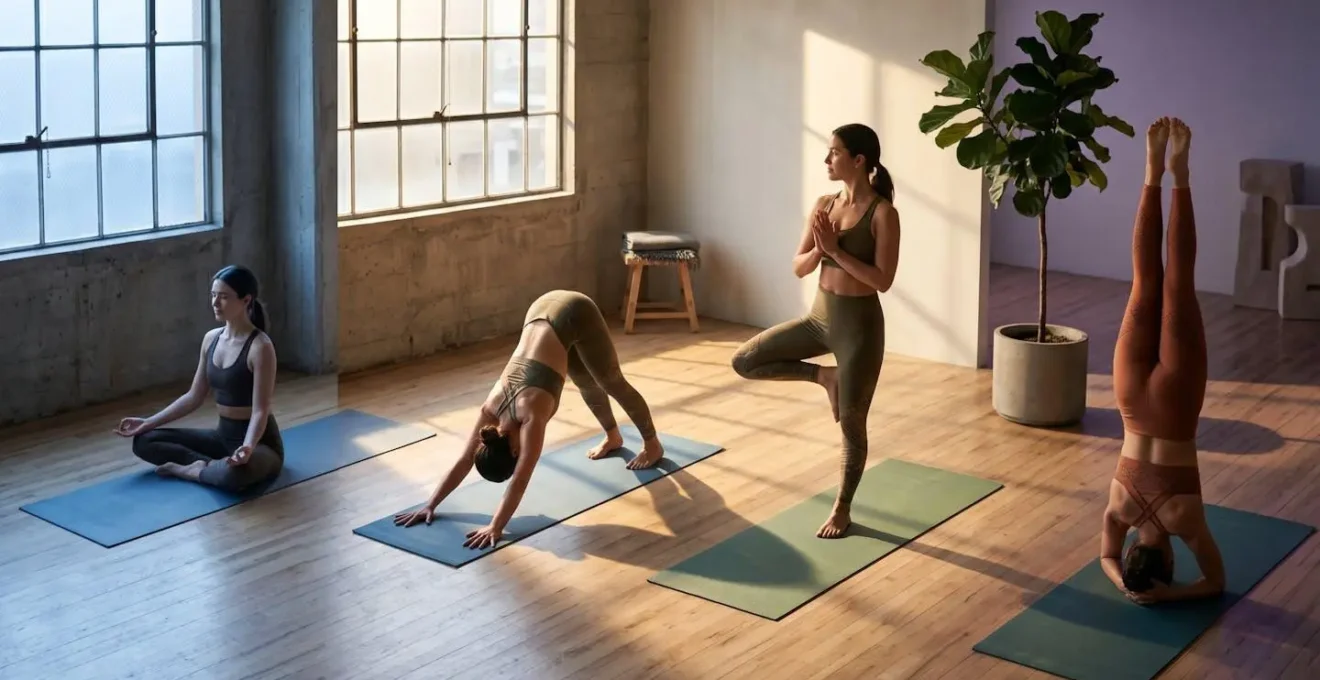
The progression below prioritizes mastery of the inhale (Puraka) and exhale (Rechaka) first. This alone will begin to improve your CO2 tolerance and calm your nervous system. Only then do you introduce a brief, gentle hold (Antara Kumbhaka).
- Weeks 1-2: Master Deep Inhalation (Puraka Pranayama) – Practice slow, deep inhalations to full capacity without any strain. Focus on filling the belly, ribs, and chest sequentially.
- Weeks 3-4: Master Deep Exhalation (Rechaka Pranayama) – Work toward making your exhalation twice as long as your inhalation (a 1:2 ratio). For example, inhale for 4 counts, exhale for 8.
- Weeks 5-6: Establish Equal Breathing (Sama Vritti) – Practice breathing in and out for an equal count, gradually working toward a steady 10-count inhale and 10-count exhale (10:10).
- Weeks 7-8: Learn Internal Retention (Antara Kumbhaka) – Begin with your established Sama Vritti breath. After the inhale, hold the breath for just one to two seconds before starting the long exhale. Gradually build this hold to a comfortable 10 seconds, always prioritizing a calm release.
What Is the Difference Between Holding After Inhale Versus After Exhale and When to Use Each?
As you progress, you’ll discover that breath can be retained in two primary ways: after an inhalation (Antara Kumbhaka) or after an exhalation (Bahya Kumbhaka). These are not interchangeable; they have distinct physiological, energetic, and neurological effects. Understanding their differences is key to applying them skillfully in your practice. Antara Kumbhaka, with full lungs, is the natural starting point for all practitioners. It is generally more energizing and creates a sense of fullness and upward-moving energy (Prana Vayu).
In contrast, Bahya Kumbhaka, with empty lungs, is a more advanced and challenging practice. It cultivates a sense of emptiness and surrender, activating a downward-moving energy (Apana Vayu) associated with purification and letting go. Physiologically, their impact on the nervous system differs significantly. In fact, research on cardiovascular functions during different types of kumbhaka shows that Antara Kumbhaka can briefly decrease Heart Rate Variability (HRV), indicating a controlled sympathetic stimulation, while Bahya Kumbhaka significantly increases HRV, signaling a strong parasympathetic (calming) response.
The table below breaks down the key characteristics of each practice to help you understand when and why to use them.
| Characteristic | Antara Kumbhaka (Inhale Hold) | Bahya Kumbhaka (Exhale Hold) |
|---|---|---|
| Breath State | Lungs full – retention after inhalation | Lungs empty – retention after exhalation |
| Energetic Direction | Upward-moving energy (Prana Vayu) | Downward-moving energy (Apana Vayu) |
| Bandha Used | Jalandhara Bandha (Chin Lock) + Mula Bandha | Uddiyana Bandha (Abdominal Lock) primarily |
| Nervous System Effect | Stimulates sympathetic in a controlled way | Stimulates parasympathetic response |
| Best Used For | Focus before meditation, energizing | Purification, calming, preparing for deep holds |
| Difficulty Level | Intermediate – begin here | Advanced – requires mastery of Antara first |
For any practitioner new to kumbhaka, the path is clear: master a comfortable and stable Antara Kumbhaka practice first. Only after you can hold the breath comfortably on the inhale for a significant duration should you begin to explore the profound quietude of Bahya Kumbhaka under the guidance of an experienced teacher.
What Symptoms Mean You Should Immediately Stop Breath Retention Practice?
While kumbhaka is a powerful practice, safety must be the absolute priority. Pushing too far, too fast, can over-stress the nervous, respiratory, and cardiovascular systems. It’s vital to distinguish between the manageable challenge of increasing CO2 tolerance and genuine warning signs that indicate you’ve crossed a boundary. The mantra of a wise practitioner is « challenge, don’t strain. » Your body will provide clear feedback when you have pushed beyond your current capacity. Learning to listen to these signals is as important as the practice itself.
Some signals are immediate and physical, while others can be more subtle and appear hours after your practice. An involuntary swallowing urge during the hold is an early sign that pressure is not being managed correctly by your bandhas. A sudden, uncontrolled gasp for air upon release is not a sign of a good hold; it’s a sign of entering « apneic stress, » meaning you held too long. You should always be able to resume normal, calm breathing immediately after a hold.
Pay close attention to the following warning signs. If you experience any of them, you should stop the practice for the day, rest, and approach your next session with shorter holds and more focus on foundational breathing.
- Involuntary muscle contractions: Spasms or tremors, especially in the diaphragm, neck, or jaw, indicate your nervous system is overloaded.
- Seeing spots or visual disturbances: This is a sign that blood oxygen is dropping to unsafe levels. This should not happen in a mindful practice.
- Metallic taste in the mouth: This can be an indication of a significant stress response activation.
- Post-hold gasp reflex: A sudden, sharp inhalation means you’ve pushed into stress. Your next hold should be shorter.
- Delayed symptoms: Increased anxiety, irritability, or insomnia hours after practice are clear signs your nervous system was over-stimulated and needs more gentle work.
Where Do Breath Holds Fit Within a Full Pranayama Routine and for How Long?
Integrating kumbhaka into your practice is not as simple as just holding your breath. For it to be safe and effective, it must be properly sequenced within a complete pranayama session. Breath retention is an advanced technique that requires preparation and integration. It should be performed after the body and energy channels (nadis) have been balanced and before a period of quiet integration or meditation. Jumping directly into intense breath holds without warming up is like sprinting without stretching—ineffective and risky.
A well-structured session creates a safe energetic container for the potent effects of kumbhaka. This begins with balancing breaths like Nadi Shodhana (Alternate Nostril Breathing) and ensuring the proper engagement of bandhas (energetic locks) to manage the internal pressure and prana. Furthermore, the duration of the hold is not the only variable; its proportion within the entire breath cycle is also critical. For instance, current research on kumbhaka physiology demonstrates that brief holds (20-25% of the breath cycle) can raise metabolic rate, while prolonged holds (50% of the cycle) tend to lower it, inducing a deeper state of calm.
To ensure your practice is balanced and safe, follow a structured approach. The following plan details a complete pranayama session that properly incorporates kumbhaka.
Your 5-Step Action Plan: Safely Integrating Kumbhaka
- Preparatory Phase (5-10 minutes): Begin with a balancing pranayama like Nadi Shodhana (Alternate Nostril Breathing) to ensure the Ida and Pingala nadis are flowing evenly.
- Bandha Engagement: Before starting retention, consciously establish Jalandhara Bandha (Chin Lock) and Mula Bandha (Root Lock) to safely contain and direct the built-up energy.
- Kumbhaka Practice (5 minutes maximum): Start with just 3-5 rounds of breath retention. Even if you feel you can do more, limit the volume initially. Begin with a 1:1:2 ratio (e.g., inhale 4s, hold 4s, exhale 8s).
- Progressive Ratios: Over weeks or months, as comfort increases, you can gradually advance your ratio from 1:1:2 to 1:2:2, then 1:3:2, and eventually the classical 1:4:2. Never rush this progression.
- Integration Phase (3-5 minutes MANDATORY): After your final round of kumbhaka, sit in still, natural breathing or lie down in Shavasana. This « do-nothing » phase is essential for allowing the accumulated prana to circulate and integrate into your system.
Who Should Never Practice Breath Retention and Why It Can Be Dangerous?
While the benefits of kumbhaka are profound, it is not a practice for everyone. For individuals with certain health conditions, breath retention can be dangerous. The practice significantly alters internal pressures—including intrathoracic, intracranial, and intra-ocular pressure—and places demands on the cardiovascular system. Ignoring these contraindications can lead to serious health complications. It is an act of wisdom and self-care to honestly assess your health and, when in doubt, to refrain from the practice or consult with a knowledgeable medical professional.
The responsibility for safety lies with the practitioner. If you have any of the conditions listed below, you should avoid forceful breath retention practices entirely. This is not a judgment but a necessary precaution. A gentle focus on deep, rhythmic breathing without holds can offer many of the same calming benefits without the associated risks.

The following conditions are absolute contraindications for practicing kumbhaka. This list is not exhaustive, and any serious health concern warrants a discussion with your doctor before beginning this type of pranayama.
- Cardiovascular conditions: High blood pressure, heart disease, a history of heart attack or stroke, or arrhythmia. The changes in pressure can put excessive strain on the heart and blood vessels.
- Eye and brain conditions: Glaucoma, retinal detachment, brain aneurysms, or recent surgery. Increased intracranial pressure can exacerbate these issues.
- Respiratory conditions: Active or severe asthma, COPD, or other chronic lung diseases can be aggravated by forceful holds.
- Mental health concerns: Active PTSD, severe anxiety, or panic disorder. The sensation of holding one’s breath can mimic suffocation and act as a powerful trigger for trauma responses.
- Pregnancy: The changes in blood pressure and oxygen flow are not advisable during pregnancy.
- Medication interactions: Certain medications, especially those for blood pressure like beta-blockers, can alter the body’s natural response to breath holding, making it unpredictable.
Which Breathing Technique Works When You Are Already Too Activated to Breathe Slowly?
There are moments when the instruction to « breathe slowly » feels impossible. When your sympathetic nervous system is already in high gear—due to stress, anxiety, or even a difficult moment in your yoga practice—trying to force a slow, measured breath can create more tension. In these situations, you need a technique that works *with* your activated state to manually trigger a down-regulation. You need a physiological « reset button » rather than a gentle suggestion.
Fortunately, specific breathing patterns can directly engage the parasympathetic nervous system through mechanical means. One of the most effective and fastest-acting is the Physiological Sigh. This involves a double inhale through the nose followed by a long, slow exhale through the mouth. The double inhale fully re-inflates the tiny air sacs (alveoli) in the lungs, and the long exhale offloads maximum CO2, signaling to the brain that the « emergency » is over. This isn’t a psychological trick; it’s a direct hack of your autonomic nervous system.
Dr. David Spiegel of Stanford University has researched this extensively, finding it superior to other methods for its immediate calming effect.
Cyclic sighing led to the greatest daily increases in in positive emotions, surpassing other methods. It was also shown to decrease the number of breaths per minute more effectively than other techniques, indicating a calming effect on the autonomic nervous system.
– Dr. David Spiegel, Cell Reports Medicine Study on Breathwork Techniques
When you feel too agitated to follow slow breathing instructions, turn to one of these emergency techniques to regain control:
- Physiological Sigh (Fastest Reset): Take a deep inhale through your nose, and then, at the top, take another small « sip » of air to completely fill the lungs. Follow with a long, extended exhale through the mouth. Repeat 2-3 times.
- Brahmari (Bee Breath): The vibrations created by humming on the exhale directly stimulate the vagus nerve, which is the main highway of your parasympathetic nervous system. This short-circuits the anxiety loop.
- Extended Exhale Focus Only: Forget about the inhale. Pour all of your focus into making the exhale as long, slow, and complete as possible. A slow exhale will reflexively trigger a deeper, calmer inhale.
- Tactile Breathing: Place a hand on your belly. An activated mind struggles with abstract commands but can easily follow a physical sensation. Focus only on the feeling of your hand rising and falling.
Key takeaways
- The urge to breathe is driven by CO2 tolerance, not a lack of oxygen. This is the central principle to master.
- Progressive training is essential. Build your practice from foundational breathing (Puraka/Rechaka) before adding holds (Kumbhaka).
- Safety is paramount. Know the warning signs to stop and the absolute contraindications to avoid the practice altogether.
Why Does Your Teacher Say to Breathe Slowly but Your Body Wants to Breathe Fast?
This is one of the most common points of friction in yoga and meditation: the conflict between a conscious instruction to slow the breath and an autonomic, deep-seated urge to breathe faster. This isn’t a failure of discipline. It’s often the result of a chronically habituated breathing pattern. Due to modern-day stressors, many people live in a state of low-grade, chronic hyperventilation, where the body is accustomed to maintaining lower-than-optimal CO2 levels. Studies suggest that 6-10% of the general population tends to hyperventilate chronically.
When you try to breathe slowly, you naturally allow CO2 to build up to healthy, normal levels. However, if your body’s chemoreceptors have been « set » to a low-CO2 baseline for years, this normal level feels like an alarming excess. Your body, responding to its long-held programming, sends panic signals to « correct » the situation by breathing faster and « blowing off » the CO2. This creates the internal battle you experience on the mat.
This sensitivity to CO2 is not just a physical quirk; it’s directly linked to our experience of anxiety. This connection is why practices that improve CO2 tolerance are so effective at building emotional resilience.
Case Study: CO2 Tolerance as an Index of Anxiety
A study involving 41 participants demonstrated that carbon dioxide tolerance serves as a reliable index for state anxiety. The test measuring CO2 tolerance was found to be a better predictor of immediate anxiety levels than even a standard breath-hold test. This suggests that individuals with poor CO2 tolerance are physiologically primed to experience exaggerated panic signals when they attempt to slow their breathing, as the rising CO2 is misinterpreted by the brain as a threat.
The solution is not to force the slow breath, which can amplify anxiety. It is to use the techniques described throughout this guide—like extended exhales and progressive training—to gently and gradually reset your baseline CO2 tolerance. Over time, as your body re-learns that normal CO2 levels are safe, the conflict will dissolve, and slow, deep breathing will become your natural state of being, both on and off the mat.
To begin retraining your body’s response and embark on this journey toward breath mastery, the most effective next step is to commit to the foundational practices outlined in this guide. Start today by focusing on mastering your exhalation, the safest and most powerful entry point to regulating your nervous system.